
Get trending papers in your email inbox once a day!
Get trending papers in your email inbox!
Subscribe
On Hallucinating Context and Background Pixels from a Face Mask using Multi-scale GANs
We propose a multi-scale GAN model to hallucinate realistic context (forehead, hair, neck, clothes) and background pixels automatically from a single input face mask. Instead of swapping a face on to an existing picture, our model directly generates realistic context and background pixels based on the features of the provided face mask. Unlike face inpainting algorithms, it can generate realistic hallucinations even for a large number of missing pixels. Our model is composed of a cascaded network of GAN blocks, each tasked with hallucination of missing pixels at a particular resolution while guiding the synthesis process of the next GAN block. The hallucinated full face image is made photo-realistic by using a combination of reconstruction, perceptual, adversarial and identity preserving losses at each block of the network. With a set of extensive experiments, we demonstrate the effectiveness of our model in hallucinating context and background pixels from face masks varying in facial pose, expression and lighting, collected from multiple datasets subject disjoint with our training data. We also compare our method with two popular face swapping and face completion methods in terms of visual quality and recognition performance. Additionally, we analyze our cascaded pipeline and compare it with the recently proposed progressive growing of GANs.
Understanding Zero-Shot Adversarial Robustness for Large-Scale Models
Pretrained large-scale vision-language models like CLIP have exhibited strong generalization over unseen tasks. Yet imperceptible adversarial perturbations can significantly reduce CLIP's performance on new tasks. In this work, we identify and explore the problem of adapting large-scale models for zero-shot adversarial robustness. We first identify two key factors during model adaption -- training losses and adaptation methods -- that affect the model's zero-shot adversarial robustness. We then propose a text-guided contrastive adversarial training loss, which aligns the text embeddings and the adversarial visual features with contrastive learning on a small set of training data. We apply this training loss to two adaption methods, model finetuning and visual prompt tuning. We find that visual prompt tuning is more effective in the absence of texts, while finetuning wins in the existence of text guidance. Overall, our approach significantly improves the zero-shot adversarial robustness over CLIP, seeing an average improvement of over 31 points over ImageNet and 15 zero-shot datasets. We hope this work can shed light on understanding the zero-shot adversarial robustness of large-scale models.
Generalized Face Anti-spoofing via Finer Domain Partition and Disentangling Liveness-irrelevant Factors
Face anti-spoofing techniques based on domain generalization have recently been studied widely. Adversarial learning and meta-learning techniques have been adopted to learn domain-invariant representations. However, prior approaches often consider the dataset gap as the primary factor behind domain shifts. This perspective is not fine-grained enough to reflect the intrinsic gap among the data accurately. In our work, we redefine domains based on identities rather than datasets, aiming to disentangle liveness and identity attributes. We emphasize ignoring the adverse effect of identity shift, focusing on learning identity-invariant liveness representations through orthogonalizing liveness and identity features. To cope with style shifts, we propose Style Cross module to expand the stylistic diversity and Channel-wise Style Attention module to weaken the sensitivity to style shifts, aiming to learn robust liveness representations. Furthermore, acknowledging the asymmetry between live and spoof samples, we introduce a novel contrastive loss, Asymmetric Augmented Instance Contrast. Extensive experiments on four public datasets demonstrate that our method achieves state-of-the-art performance under cross-dataset and limited source dataset scenarios. Additionally, our method has good scalability when expanding diversity of identities. The codes will be released soon.

C-LEAD: Contrastive Learning for Enhanced Adversarial Defense
Deep neural networks (DNNs) have achieved remarkable success in computer vision tasks such as image classification, segmentation, and object detection. However, they are vulnerable to adversarial attacks, which can cause incorrect predictions with small perturbations in input images. Addressing this issue is crucial for deploying robust deep-learning systems. This paper presents a novel approach that utilizes contrastive learning for adversarial defense, a previously unexplored area. Our method leverages the contrastive loss function to enhance the robustness of classification models by training them with both clean and adversarially perturbed images. By optimizing the model's parameters alongside the perturbations, our approach enables the network to learn robust representations that are less susceptible to adversarial attacks. Experimental results show significant improvements in the model's robustness against various types of adversarial perturbations. This suggests that contrastive loss helps extract more informative and resilient features, contributing to the field of adversarial robustness in deep learning.

One-vs-the-Rest Loss to Focus on Important Samples in Adversarial Training
This paper proposes a new loss function for adversarial training. Since adversarial training has difficulties, e.g., necessity of high model capacity, focusing on important data points by weighting cross-entropy loss has attracted much attention. However, they are vulnerable to sophisticated attacks, e.g., Auto-Attack. This paper experimentally reveals that the cause of their vulnerability is their small margins between logits for the true label and the other labels. Since neural networks classify the data points based on the logits, logit margins should be large enough to avoid flipping the largest logit by the attacks. Importance-aware methods do not increase logit margins of important samples but decrease those of less-important samples compared with cross-entropy loss. To increase logit margins of important samples, we propose switching one-vs-the-rest loss (SOVR), which switches from cross-entropy to one-vs-the-rest loss for important samples that have small logit margins. We prove that one-vs-the-rest loss increases logit margins two times larger than the weighted cross-entropy loss for a simple problem. We experimentally confirm that SOVR increases logit margins of important samples unlike existing methods and achieves better robustness against Auto-Attack than importance-aware methods.
Expressive Losses for Verified Robustness via Convex Combinations
In order to train networks for verified adversarial robustness, it is common to over-approximate the worst-case loss over perturbation regions, resulting in networks that attain verifiability at the expense of standard performance. As shown in recent work, better trade-offs between accuracy and robustness can be obtained by carefully coupling adversarial training with over-approximations. We hypothesize that the expressivity of a loss function, which we formalize as the ability to span a range of trade-offs between lower and upper bounds to the worst-case loss through a single parameter (the over-approximation coefficient), is key to attaining state-of-the-art performance. To support our hypothesis, we show that trivial expressive losses, obtained via convex combinations between adversarial attacks and IBP bounds, yield state-of-the-art results across a variety of settings in spite of their conceptual simplicity. We provide a detailed analysis of the relationship between the over-approximation coefficient and performance profiles across different expressive losses, showing that, while expressivity is essential, better approximations of the worst-case loss are not necessarily linked to superior robustness-accuracy trade-offs.
Beyond Face Rotation: Global and Local Perception GAN for Photorealistic and Identity Preserving Frontal View Synthesis
Photorealistic frontal view synthesis from a single face image has a wide range of applications in the field of face recognition. Although data-driven deep learning methods have been proposed to address this problem by seeking solutions from ample face data, this problem is still challenging because it is intrinsically ill-posed. This paper proposes a Two-Pathway Generative Adversarial Network (TP-GAN) for photorealistic frontal view synthesis by simultaneously perceiving global structures and local details. Four landmark located patch networks are proposed to attend to local textures in addition to the commonly used global encoder-decoder network. Except for the novel architecture, we make this ill-posed problem well constrained by introducing a combination of adversarial loss, symmetry loss and identity preserving loss. The combined loss function leverages both frontal face distribution and pre-trained discriminative deep face models to guide an identity preserving inference of frontal views from profiles. Different from previous deep learning methods that mainly rely on intermediate features for recognition, our method directly leverages the synthesized identity preserving image for downstream tasks like face recognition and attribution estimation. Experimental results demonstrate that our method not only presents compelling perceptual results but also outperforms state-of-the-art results on large pose face recognition.
DomainMix: Learning Generalizable Person Re-Identification Without Human Annotations
Existing person re-identification models often have low generalizability, which is mostly due to limited availability of large-scale labeled data in training. However, labeling large-scale training data is very expensive and time-consuming, while large-scale synthetic dataset shows promising value in learning generalizable person re-identification models. Therefore, in this paper a novel and practical person re-identification task is proposed,i.e. how to use labeled synthetic dataset and unlabeled real-world dataset to train a universal model. In this way, human annotations are no longer required, and it is scalable to large and diverse real-world datasets. To address the task, we introduce a framework with high generalizability, namely DomainMix. Specifically, the proposed method firstly clusters the unlabeled real-world images and selects the reliable clusters. During training, to address the large domain gap between two domains, a domain-invariant feature learning method is proposed, which introduces a new loss,i.e. domain balance loss, to conduct an adversarial learning between domain-invariant feature learning and domain discrimination, and meanwhile learns a discriminative feature for person re-identification. This way, the domain gap between synthetic and real-world data is much reduced, and the learned feature is generalizable thanks to the large-scale and diverse training data. Experimental results show that the proposed annotation-free method is more or less comparable to the counterpart trained with full human annotations, which is quite promising. In addition, it achieves the current state of the art on several person re-identification datasets under direct cross-dataset evaluation.

CAPAA: Classifier-Agnostic Projector-Based Adversarial Attack
Projector-based adversarial attack aims to project carefully designed light patterns (i.e., adversarial projections) onto scenes to deceive deep image classifiers. It has potential applications in privacy protection and the development of more robust classifiers. However, existing approaches primarily focus on individual classifiers and fixed camera poses, often neglecting the complexities of multi-classifier systems and scenarios with varying camera poses. This limitation reduces their effectiveness when introducing new classifiers or camera poses. In this paper, we introduce Classifier-Agnostic Projector-Based Adversarial Attack (CAPAA) to address these issues. First, we develop a novel classifier-agnostic adversarial loss and optimization framework that aggregates adversarial and stealthiness loss gradients from multiple classifiers. Then, we propose an attention-based gradient weighting mechanism that concentrates perturbations on regions of high classification activation, thereby improving the robustness of adversarial projections when applied to scenes with varying camera poses. Our extensive experimental evaluations demonstrate that CAPAA achieves both a higher attack success rate and greater stealthiness compared to existing baselines. Codes are available at: https://github.com/ZhanLiQxQ/CAPAA.

Mitigating Adversarial Vulnerability through Causal Parameter Estimation by Adversarial Double Machine Learning
Adversarial examples derived from deliberately crafted perturbations on visual inputs can easily harm decision process of deep neural networks. To prevent potential threats, various adversarial training-based defense methods have grown rapidly and become a de facto standard approach for robustness. Despite recent competitive achievements, we observe that adversarial vulnerability varies across targets and certain vulnerabilities remain prevalent. Intriguingly, such peculiar phenomenon cannot be relieved even with deeper architectures and advanced defense methods. To address this issue, in this paper, we introduce a causal approach called Adversarial Double Machine Learning (ADML), which allows us to quantify the degree of adversarial vulnerability for network predictions and capture the effect of treatments on outcome of interests. ADML can directly estimate causal parameter of adversarial perturbations per se and mitigate negative effects that can potentially damage robustness, bridging a causal perspective into the adversarial vulnerability. Through extensive experiments on various CNN and Transformer architectures, we corroborate that ADML improves adversarial robustness with large margins and relieve the empirical observation.



Reinforced Disentanglement for Face Swapping without Skip Connection
The SOTA face swap models still suffer the problem of either target identity (i.e., shape) being leaked or the target non-identity attributes (i.e., background, hair) failing to be fully preserved in the final results. We show that this insufficient disentanglement is caused by two flawed designs that were commonly adopted in prior models: (1) counting on only one compressed encoder to represent both the semantic-level non-identity facial attributes(i.e., pose) and the pixel-level non-facial region details, which is contradictory to satisfy at the same time; (2) highly relying on long skip-connections between the encoder and the final generator, leaking a certain amount of target face identity into the result. To fix them, we introduce a new face swap framework called 'WSC-swap' that gets rid of skip connections and uses two target encoders to respectively capture the pixel-level non-facial region attributes and the semantic non-identity attributes in the face region. To further reinforce the disentanglement learning for the target encoder, we employ both identity removal loss via adversarial training (i.e., GAN) and the non-identity preservation loss via prior 3DMM models like [11]. Extensive experiments on both FaceForensics++ and CelebA-HQ show that our results significantly outperform previous works on a rich set of metrics, including one novel metric for measuring identity consistency that was completely neglected before.
Certified Robust Neural Networks: Generalization and Corruption Resistance
Recent work have demonstrated that robustness (to "corruption") can be at odds with generalization. Adversarial training, for instance, aims to reduce the problematic susceptibility of modern neural networks to small data perturbations. Surprisingly, overfitting is a major concern in adversarial training despite being mostly absent in standard training. We provide here theoretical evidence for this peculiar "robust overfitting" phenomenon. Subsequently, we advance a novel distributionally robust loss function bridging robustness and generalization. We demonstrate both theoretically as well as empirically the loss to enjoy a certified level of robustness against two common types of corruption--data evasion and poisoning attacks--while ensuring guaranteed generalization. We show through careful numerical experiments that our resulting holistic robust (HR) training procedure yields SOTA performance. Finally, we indicate that HR training can be interpreted as a direct extension of adversarial training and comes with a negligible additional computational burden. A ready-to-use python library implementing our algorithm is available at https://github.com/RyanLucas3/HR_Neural_Networks.

Efficient Adversarial Training in LLMs with Continuous Attacks
Large language models (LLMs) are vulnerable to adversarial attacks that can bypass their safety guardrails. In many domains, adversarial training has proven to be one of the most promising methods to reliably improve robustness against such attacks. Yet, in the context of LLMs, current methods for adversarial training are hindered by the high computational costs required to perform discrete adversarial attacks at each training iteration. We address this problem by instead calculating adversarial attacks in the continuous embedding space of the LLM, which is orders of magnitudes more efficient. We propose a fast adversarial training algorithm (C-AdvUL) composed of two losses: the first makes the model robust on continuous embedding attacks computed on an adversarial behaviour dataset; the second ensures the usefulness of the final model by fine-tuning on utility data. Moreover, we introduce C-AdvIPO, an adversarial variant of IPO that does not require utility data for adversarially robust alignment. Our empirical evaluation on four models from different families (Gemma, Phi3, Mistral, Zephyr) and at different scales (2B, 3.8B, 7B) shows that both algorithms substantially enhance LLM robustness against discrete attacks (GCG, AutoDAN, PAIR), while maintaining utility. Our results demonstrate that robustness to continuous perturbations can extrapolate to discrete threat models. Thereby, we present a path toward scalable adversarial training algorithms for robustly aligning LLMs.


Tracing the Origin of Adversarial Attack for Forensic Investigation and Deterrence
Deep neural networks are vulnerable to adversarial attacks. In this paper, we take the role of investigators who want to trace the attack and identify the source, that is, the particular model which the adversarial examples are generated from. Techniques derived would aid forensic investigation of attack incidents and serve as deterrence to potential attacks. We consider the buyers-seller setting where a machine learning model is to be distributed to various buyers and each buyer receives a slightly different copy with same functionality. A malicious buyer generates adversarial examples from a particular copy M_i and uses them to attack other copies. From these adversarial examples, the investigator wants to identify the source M_i. To address this problem, we propose a two-stage separate-and-trace framework. The model separation stage generates multiple copies of a model for a same classification task. This process injects unique characteristics into each copy so that adversarial examples generated have distinct and traceable features. We give a parallel structure which embeds a ``tracer'' in each copy, and a noise-sensitive training loss to achieve this goal. The tracing stage takes in adversarial examples and a few candidate models, and identifies the likely source. Based on the unique features induced by the noise-sensitive loss function, we could effectively trace the potential adversarial copy by considering the output logits from each tracer. Empirical results show that it is possible to trace the origin of the adversarial example and the mechanism can be applied to a wide range of architectures and datasets.
A Closer Look at Smoothness in Domain Adversarial Training
Domain adversarial training has been ubiquitous for achieving invariant representations and is used widely for various domain adaptation tasks. In recent times, methods converging to smooth optima have shown improved generalization for supervised learning tasks like classification. In this work, we analyze the effect of smoothness enhancing formulations on domain adversarial training, the objective of which is a combination of task loss (eg. classification, regression, etc.) and adversarial terms. We find that converging to a smooth minima with respect to (w.r.t.) task loss stabilizes the adversarial training leading to better performance on target domain. In contrast to task loss, our analysis shows that converging to smooth minima w.r.t. adversarial loss leads to sub-optimal generalization on the target domain. Based on the analysis, we introduce the Smooth Domain Adversarial Training (SDAT) procedure, which effectively enhances the performance of existing domain adversarial methods for both classification and object detection tasks. Our analysis also provides insight into the extensive usage of SGD over Adam in the community for domain adversarial training.

Practical No-box Adversarial Attacks against DNNs
The study of adversarial vulnerabilities of deep neural networks (DNNs) has progressed rapidly. Existing attacks require either internal access (to the architecture, parameters, or training set of the victim model) or external access (to query the model). However, both the access may be infeasible or expensive in many scenarios. We investigate no-box adversarial examples, where the attacker can neither access the model information or the training set nor query the model. Instead, the attacker can only gather a small number of examples from the same problem domain as that of the victim model. Such a stronger threat model greatly expands the applicability of adversarial attacks. We propose three mechanisms for training with a very small dataset (on the order of tens of examples) and find that prototypical reconstruction is the most effective. Our experiments show that adversarial examples crafted on prototypical auto-encoding models transfer well to a variety of image classification and face verification models. On a commercial celebrity recognition system held by clarifai.com, our approach significantly diminishes the average prediction accuracy of the system to only 15.40%, which is on par with the attack that transfers adversarial examples from a pre-trained Arcface model.
Mist: Towards Improved Adversarial Examples for Diffusion Models
Diffusion Models (DMs) have empowered great success in artificial-intelligence-generated content, especially in artwork creation, yet raising new concerns in intellectual properties and copyright. For example, infringers can make profits by imitating non-authorized human-created paintings with DMs. Recent researches suggest that various adversarial examples for diffusion models can be effective tools against these copyright infringements. However, current adversarial examples show weakness in transferability over different painting-imitating methods and robustness under straightforward adversarial defense, for example, noise purification. We surprisingly find that the transferability of adversarial examples can be significantly enhanced by exploiting a fused and modified adversarial loss term under consistent parameters. In this work, we comprehensively evaluate the cross-method transferability of adversarial examples. The experimental observation shows that our method generates more transferable adversarial examples with even stronger robustness against the simple adversarial defense.

Asymmetric Bias in Text-to-Image Generation with Adversarial Attacks
The widespread use of Text-to-Image (T2I) models in content generation requires careful examination of their safety, including their robustness to adversarial attacks. Despite extensive research on adversarial attacks, the reasons for their effectiveness remain underexplored. This paper presents an empirical study on adversarial attacks against T2I models, focusing on analyzing factors associated with attack success rates (ASR). We introduce a new attack objective - entity swapping using adversarial suffixes and two gradient-based attack algorithms. Human and automatic evaluations reveal the asymmetric nature of ASRs on entity swap: for example, it is easier to replace "human" with "robot" in the prompt "a human dancing in the rain." with an adversarial suffix, but the reverse replacement is significantly harder. We further propose probing metrics to establish indicative signals from the model's beliefs to the adversarial ASR. We identify conditions that result in a success probability of 60% for adversarial attacks and others where this likelihood drops below 5%.
Intriguing Properties of Adversarial Examples
It is becoming increasingly clear that many machine learning classifiers are vulnerable to adversarial examples. In attempting to explain the origin of adversarial examples, previous studies have typically focused on the fact that neural networks operate on high dimensional data, they overfit, or they are too linear. Here we argue that the origin of adversarial examples is primarily due to an inherent uncertainty that neural networks have about their predictions. We show that the functional form of this uncertainty is independent of architecture, dataset, and training protocol; and depends only on the statistics of the logit differences of the network, which do not change significantly during training. This leads to adversarial error having a universal scaling, as a power-law, with respect to the size of the adversarial perturbation. We show that this universality holds for a broad range of datasets (MNIST, CIFAR10, ImageNet, and random data), models (including state-of-the-art deep networks, linear models, adversarially trained networks, and networks trained on randomly shuffled labels), and attacks (FGSM, step l.l., PGD). Motivated by these results, we study the effects of reducing prediction entropy on adversarial robustness. Finally, we study the effect of network architectures on adversarial sensitivity. To do this, we use neural architecture search with reinforcement learning to find adversarially robust architectures on CIFAR10. Our resulting architecture is more robust to white and black box attacks compared to previous attempts.
Rethinking Domain Generalization for Face Anti-spoofing: Separability and Alignment
This work studies the generalization issue of face anti-spoofing (FAS) models on domain gaps, such as image resolution, blurriness and sensor variations. Most prior works regard domain-specific signals as a negative impact, and apply metric learning or adversarial losses to remove them from feature representation. Though learning a domain-invariant feature space is viable for the training data, we show that the feature shift still exists in an unseen test domain, which backfires on the generalizability of the classifier. In this work, instead of constructing a domain-invariant feature space, we encourage domain separability while aligning the live-to-spoof transition (i.e., the trajectory from live to spoof) to be the same for all domains. We formulate this FAS strategy of separability and alignment (SA-FAS) as a problem of invariant risk minimization (IRM), and learn domain-variant feature representation but domain-invariant classifier. We demonstrate the effectiveness of SA-FAS on challenging cross-domain FAS datasets and establish state-of-the-art performance.
Understanding Adversarial Transfer: Why Representation-Space Attacks Fail Where Data-Space Attacks Succeed
The field of adversarial robustness has long established that adversarial examples can successfully transfer between image classifiers and that text jailbreaks can successfully transfer between language models (LMs). However, a pair of recent studies reported being unable to successfully transfer image jailbreaks between vision-language models (VLMs). To explain this striking difference, we propose a fundamental distinction regarding the transferability of attacks against machine learning models: attacks in the input data-space can transfer, whereas attacks in model representation space do not, at least not without geometric alignment of representations. We then provide theoretical and empirical evidence of this hypothesis in four different settings. First, we mathematically prove this distinction in a simple setting where two networks compute the same input-output map but via different representations. Second, we construct representation-space attacks against image classifiers that are as successful as well-known data-space attacks, but fail to transfer. Third, we construct representation-space attacks against LMs that successfully jailbreak the attacked models but again fail to transfer. Fourth, we construct data-space attacks against VLMs that successfully transfer to new VLMs, and we show that representation space attacks can transfer when VLMs' latent geometries are sufficiently aligned in post-projector space. Our work reveals that adversarial transfer is not an inherent property of all attacks but contingent on their operational domain - the shared data-space versus models' unique representation spaces - a critical insight for building more robust models.
Cross-Entropy Loss Functions: Theoretical Analysis and Applications
Cross-entropy is a widely used loss function in applications. It coincides with the logistic loss applied to the outputs of a neural network, when the softmax is used. But, what guarantees can we rely on when using cross-entropy as a surrogate loss? We present a theoretical analysis of a broad family of loss functions, comp-sum losses, that includes cross-entropy (or logistic loss), generalized cross-entropy, the mean absolute error and other cross-entropy-like loss functions. We give the first H-consistency bounds for these loss functions. These are non-asymptotic guarantees that upper bound the zero-one loss estimation error in terms of the estimation error of a surrogate loss, for the specific hypothesis set H used. We further show that our bounds are tight. These bounds depend on quantities called minimizability gaps. To make them more explicit, we give a specific analysis of these gaps for comp-sum losses. We also introduce a new family of loss functions, smooth adversarial comp-sum losses, that are derived from their comp-sum counterparts by adding in a related smooth term. We show that these loss functions are beneficial in the adversarial setting by proving that they admit H-consistency bounds. This leads to new adversarial robustness algorithms that consist of minimizing a regularized smooth adversarial comp-sum loss. While our main purpose is a theoretical analysis, we also present an extensive empirical analysis comparing comp-sum losses. We further report the results of a series of experiments demonstrating that our adversarial robustness algorithms outperform the current state-of-the-art, while also achieving a superior non-adversarial accuracy.
Distilling Robust and Non-Robust Features in Adversarial Examples by Information Bottleneck
Adversarial examples, generated by carefully crafted perturbation, have attracted considerable attention in research fields. Recent works have argued that the existence of the robust and non-robust features is a primary cause of the adversarial examples, and investigated their internal interactions in the feature space. In this paper, we propose a way of explicitly distilling feature representation into the robust and non-robust features, using Information Bottleneck. Specifically, we inject noise variation to each feature unit and evaluate the information flow in the feature representation to dichotomize feature units either robust or non-robust, based on the noise variation magnitude. Through comprehensive experiments, we demonstrate that the distilled features are highly correlated with adversarial prediction, and they have human-perceptible semantic information by themselves. Furthermore, we present an attack mechanism intensifying the gradient of non-robust features that is directly related to the model prediction, and validate its effectiveness of breaking model robustness.
Does CLIP Know My Face?
With the rise of deep learning in various applications, privacy concerns around the protection of training data has become a critical area of research. Whereas prior studies have focused on privacy risks in single-modal models, we introduce a novel method to assess privacy for multi-modal models, specifically vision-language models like CLIP. The proposed Identity Inference Attack (IDIA) reveals whether an individual was included in the training data by querying the model with images of the same person. Letting the model choose from a wide variety of possible text labels, the model reveals whether it recognizes the person and, therefore, was used for training. Our large-scale experiments on CLIP demonstrate that individuals used for training can be identified with very high accuracy. We confirm that the model has learned to associate names with depicted individuals, implying the existence of sensitive information that can be extracted by adversaries. Our results highlight the need for stronger privacy protection in large-scale models and suggest that IDIAs can be used to prove the unauthorized use of data for training and to enforce privacy laws.


The Effectiveness of Random Forgetting for Robust Generalization
Deep neural networks are susceptible to adversarial attacks, which can compromise their performance and accuracy. Adversarial Training (AT) has emerged as a popular approach for protecting neural networks against such attacks. However, a key challenge of AT is robust overfitting, where the network's robust performance on test data deteriorates with further training, thus hindering generalization. Motivated by the concept of active forgetting in the brain, we introduce a novel learning paradigm called "Forget to Mitigate Overfitting (FOMO)". FOMO alternates between the forgetting phase, which randomly forgets a subset of weights and regulates the model's information through weight reinitialization, and the relearning phase, which emphasizes learning generalizable features. Our experiments on benchmark datasets and adversarial attacks show that FOMO alleviates robust overfitting by significantly reducing the gap between the best and last robust test accuracy while improving the state-of-the-art robustness. Furthermore, FOMO provides a better trade-off between standard and robust accuracy, outperforming baseline adversarial methods. Finally, our framework is robust to AutoAttacks and increases generalization in many real-world scenarios.

To Trust or Not To Trust Prediction Scores for Membership Inference Attacks
Membership inference attacks (MIAs) aim to determine whether a specific sample was used to train a predictive model. Knowing this may indeed lead to a privacy breach. Most MIAs, however, make use of the model's prediction scores - the probability of each output given some input - following the intuition that the trained model tends to behave differently on its training data. We argue that this is a fallacy for many modern deep network architectures. Consequently, MIAs will miserably fail since overconfidence leads to high false-positive rates not only on known domains but also on out-of-distribution data and implicitly acts as a defense against MIAs. Specifically, using generative adversarial networks, we are able to produce a potentially infinite number of samples falsely classified as part of the training data. In other words, the threat of MIAs is overestimated, and less information is leaked than previously assumed. Moreover, there is actually a trade-off between the overconfidence of models and their susceptibility to MIAs: the more classifiers know when they do not know, making low confidence predictions, the more they reveal the training data.
Shedding More Light on Robust Classifiers under the lens of Energy-based Models
By reinterpreting a robust discriminative classifier as Energy-based Model (EBM), we offer a new take on the dynamics of adversarial training (AT). Our analysis of the energy landscape during AT reveals that untargeted attacks generate adversarial images much more in-distribution (lower energy) than the original data from the point of view of the model. Conversely, we observe the opposite for targeted attacks. On the ground of our thorough analysis, we present new theoretical and practical results that show how interpreting AT energy dynamics unlocks a better understanding: (1) AT dynamic is governed by three phases and robust overfitting occurs in the third phase with a drastic divergence between natural and adversarial energies (2) by rewriting the loss of TRadeoff-inspired Adversarial DEfense via Surrogate-loss minimization (TRADES) in terms of energies, we show that TRADES implicitly alleviates overfitting by means of aligning the natural energy with the adversarial one (3) we empirically show that all recent state-of-the-art robust classifiers are smoothing the energy landscape and we reconcile a variety of studies about understanding AT and weighting the loss function under the umbrella of EBMs. Motivated by rigorous evidence, we propose Weighted Energy Adversarial Training (WEAT), a novel sample weighting scheme that yields robust accuracy matching the state-of-the-art on multiple benchmarks such as CIFAR-10 and SVHN and going beyond in CIFAR-100 and Tiny-ImageNet. We further show that robust classifiers vary in the intensity and quality of their generative capabilities, and offer a simple method to push this capability, reaching a remarkable Inception Score (IS) and FID using a robust classifier without training for generative modeling. The code to reproduce our results is available at http://github.com/OmnAI-Lab/Robust-Classifiers-under-the-lens-of-EBM/ .

Domain Invariant Adversarial Learning
The phenomenon of adversarial examples illustrates one of the most basic vulnerabilities of deep neural networks. Among the variety of techniques introduced to surmount this inherent weakness, adversarial training has emerged as the most effective strategy for learning robust models. Typically, this is achieved by balancing robust and natural objectives. In this work, we aim to further optimize the trade-off between robust and standard accuracy by enforcing a domain-invariant feature representation. We present a new adversarial training method, Domain Invariant Adversarial Learning (DIAL), which learns a feature representation that is both robust and domain invariant. DIAL uses a variant of Domain Adversarial Neural Network (DANN) on the natural domain and its corresponding adversarial domain. In the case where the source domain consists of natural examples and the target domain is the adversarially perturbed examples, our method learns a feature representation constrained not to discriminate between the natural and adversarial examples, and can therefore achieve a more robust representation. DIAL is a generic and modular technique that can be easily incorporated into any adversarial training method. Our experiments indicate that incorporating DIAL in the adversarial training process improves both robustness and standard accuracy.
Overlooked Implications of the Reconstruction Loss for VAE Disentanglement
Learning disentangled representations with variational autoencoders (VAEs) is often attributed to the regularisation component of the loss. In this work, we highlight the interaction between data and the reconstruction term of the loss as the main contributor to disentanglement in VAEs. We show that standard benchmark datasets have unintended correlations between their subjective ground-truth factors and perceived axes in the data according to typical VAE reconstruction losses. Our work exploits this relationship to provide a theory for what constitutes an adversarial dataset under a given reconstruction loss. We verify this by constructing an example dataset that prevents disentanglement in state-of-the-art frameworks while maintaining human-intuitive ground-truth factors. Finally, we re-enable disentanglement by designing an example reconstruction loss that is once again able to perceive the ground-truth factors. Our findings demonstrate the subjective nature of disentanglement and the importance of considering the interaction between the ground-truth factors, data and notably, the reconstruction loss, which is under-recognised in the literature.

Eliminating Catastrophic Overfitting Via Abnormal Adversarial Examples Regularization
Single-step adversarial training (SSAT) has demonstrated the potential to achieve both efficiency and robustness. However, SSAT suffers from catastrophic overfitting (CO), a phenomenon that leads to a severely distorted classifier, making it vulnerable to multi-step adversarial attacks. In this work, we observe that some adversarial examples generated on the SSAT-trained network exhibit anomalous behaviour, that is, although these training samples are generated by the inner maximization process, their associated loss decreases instead, which we named abnormal adversarial examples (AAEs). Upon further analysis, we discover a close relationship between AAEs and classifier distortion, as both the number and outputs of AAEs undergo a significant variation with the onset of CO. Given this observation, we re-examine the SSAT process and uncover that before the occurrence of CO, the classifier already displayed a slight distortion, indicated by the presence of few AAEs. Furthermore, the classifier directly optimizing these AAEs will accelerate its distortion, and correspondingly, the variation of AAEs will sharply increase as a result. In such a vicious circle, the classifier rapidly becomes highly distorted and manifests as CO within a few iterations. These observations motivate us to eliminate CO by hindering the generation of AAEs. Specifically, we design a novel method, termed Abnormal Adversarial Examples Regularization (AAER), which explicitly regularizes the variation of AAEs to hinder the classifier from becoming distorted. Extensive experiments demonstrate that our method can effectively eliminate CO and further boost adversarial robustness with negligible additional computational overhead.

Similarity of Neural Architectures using Adversarial Attack Transferability
In recent years, many deep neural architectures have been developed for image classification. Whether they are similar or dissimilar and what factors contribute to their (dis)similarities remains curious. To address this question, we aim to design a quantitative and scalable similarity measure between neural architectures. We propose Similarity by Attack Transferability (SAT) from the observation that adversarial attack transferability contains information related to input gradients and decision boundaries widely used to understand model behaviors. We conduct a large-scale analysis on 69 state-of-the-art ImageNet classifiers using our proposed similarity function to answer the question. Moreover, we observe neural architecture-related phenomena using model similarity that model diversity can lead to better performance on model ensembles and knowledge distillation under specific conditions. Our results provide insights into why developing diverse neural architectures with distinct components is necessary.


Class Attribute Inference Attacks: Inferring Sensitive Class Information by Diffusion-Based Attribute Manipulations
Neural network-based image classifiers are powerful tools for computer vision tasks, but they inadvertently reveal sensitive attribute information about their classes, raising concerns about their privacy. To investigate this privacy leakage, we introduce the first Class Attribute Inference Attack (CAIA), which leverages recent advances in text-to-image synthesis to infer sensitive attributes of individual classes in a black-box setting, while remaining competitive with related white-box attacks. Our extensive experiments in the face recognition domain show that CAIA can accurately infer undisclosed sensitive attributes, such as an individual's hair color, gender, and racial appearance, which are not part of the training labels. Interestingly, we demonstrate that adversarial robust models are even more vulnerable to such privacy leakage than standard models, indicating that a trade-off between robustness and privacy exists.

Adversarial Training Should Be Cast as a Non-Zero-Sum Game
One prominent approach toward resolving the adversarial vulnerability of deep neural networks is the two-player zero-sum paradigm of adversarial training, in which predictors are trained against adversarially chosen perturbations of data. Despite the promise of this approach, algorithms based on this paradigm have not engendered sufficient levels of robustness and suffer from pathological behavior like robust overfitting. To understand this shortcoming, we first show that the commonly used surrogate-based relaxation used in adversarial training algorithms voids all guarantees on the robustness of trained classifiers. The identification of this pitfall informs a novel non-zero-sum bilevel formulation of adversarial training, wherein each player optimizes a different objective function. Our formulation yields a simple algorithmic framework that matches and in some cases outperforms state-of-the-art attacks, attains comparable levels of robustness to standard adversarial training algorithms, and does not suffer from robust overfitting.

Deep Learning Model Security: Threats and Defenses
Deep learning has transformed AI applications but faces critical security challenges, including adversarial attacks, data poisoning, model theft, and privacy leakage. This survey examines these vulnerabilities, detailing their mechanisms and impact on model integrity and confidentiality. Practical implementations, including adversarial examples, label flipping, and backdoor attacks, are explored alongside defenses such as adversarial training, differential privacy, and federated learning, highlighting their strengths and limitations. Advanced methods like contrastive and self-supervised learning are presented for enhancing robustness. The survey concludes with future directions, emphasizing automated defenses, zero-trust architectures, and the security challenges of large AI models. A balanced approach to performance and security is essential for developing reliable deep learning systems.


Adversarial Weight Perturbation Helps Robust Generalization
The study on improving the robustness of deep neural networks against adversarial examples grows rapidly in recent years. Among them, adversarial training is the most promising one, which flattens the input loss landscape (loss change with respect to input) via training on adversarially perturbed examples. However, how the widely used weight loss landscape (loss change with respect to weight) performs in adversarial training is rarely explored. In this paper, we investigate the weight loss landscape from a new perspective, and identify a clear correlation between the flatness of weight loss landscape and robust generalization gap. Several well-recognized adversarial training improvements, such as early stopping, designing new objective functions, or leveraging unlabeled data, all implicitly flatten the weight loss landscape. Based on these observations, we propose a simple yet effective Adversarial Weight Perturbation (AWP) to explicitly regularize the flatness of weight loss landscape, forming a double-perturbation mechanism in the adversarial training framework that adversarially perturbs both inputs and weights. Extensive experiments demonstrate that AWP indeed brings flatter weight loss landscape and can be easily incorporated into various existing adversarial training methods to further boost their adversarial robustness.
Natural Adversarial Examples
We introduce two challenging datasets that reliably cause machine learning model performance to substantially degrade. The datasets are collected with a simple adversarial filtration technique to create datasets with limited spurious cues. Our datasets' real-world, unmodified examples transfer to various unseen models reliably, demonstrating that computer vision models have shared weaknesses. The first dataset is called ImageNet-A and is like the ImageNet test set, but it is far more challenging for existing models. We also curate an adversarial out-of-distribution detection dataset called ImageNet-O, which is the first out-of-distribution detection dataset created for ImageNet models. On ImageNet-A a DenseNet-121 obtains around 2% accuracy, an accuracy drop of approximately 90%, and its out-of-distribution detection performance on ImageNet-O is near random chance levels. We find that existing data augmentation techniques hardly boost performance, and using other public training datasets provides improvements that are limited. However, we find that improvements to computer vision architectures provide a promising path towards robust models.
Improving Alignment and Robustness with Short Circuiting
AI systems can take harmful actions and are highly vulnerable to adversarial attacks. We present an approach, inspired by recent advances in representation engineering, that "short-circuits" models as they respond with harmful outputs. Existing techniques aimed at improving alignment, such as refusal training, are often bypassed. Techniques such as adversarial training try to plug these holes by countering specific attacks. As an alternative to refusal training and adversarial training, short-circuiting directly controls the representations that are responsible for harmful outputs in the first place. Our technique can be applied to both text-only and multimodal language models to prevent the generation of harmful outputs without sacrificing utility -- even in the presence of powerful unseen attacks. Notably, while adversarial robustness in standalone image recognition remains an open challenge, short-circuiting allows the larger multimodal system to reliably withstand image "hijacks" that aim to produce harmful content. Finally, we extend our approach to AI agents, demonstrating considerable reductions in the rate of harmful actions when they are under attack. Our approach represents a significant step forward in the development of reliable safeguards to harmful behavior and adversarial attacks.
When and How to Fool Explainable Models (and Humans) with Adversarial Examples
Reliable deployment of machine learning models such as neural networks continues to be challenging due to several limitations. Some of the main shortcomings are the lack of interpretability and the lack of robustness against adversarial examples or out-of-distribution inputs. In this exploratory review, we explore the possibilities and limits of adversarial attacks for explainable machine learning models. First, we extend the notion of adversarial examples to fit in explainable machine learning scenarios, in which the inputs, the output classifications and the explanations of the model's decisions are assessed by humans. Next, we propose a comprehensive framework to study whether (and how) adversarial examples can be generated for explainable models under human assessment, introducing and illustrating novel attack paradigms. In particular, our framework considers a wide range of relevant yet often ignored factors such as the type of problem, the user expertise or the objective of the explanations, in order to identify the attack strategies that should be adopted in each scenario to successfully deceive the model (and the human). The intention of these contributions is to serve as a basis for a more rigorous and realistic study of adversarial examples in the field of explainable machine learning.
Variational Inference with Latent Space Quantization for Adversarial Resilience
Despite their tremendous success in modelling high-dimensional data manifolds, deep neural networks suffer from the threat of adversarial attacks - Existence of perceptually valid input-like samples obtained through careful perturbation that lead to degradation in the performance of the underlying model. Major concerns with existing defense mechanisms include non-generalizability across different attacks, models and large inference time. In this paper, we propose a generalized defense mechanism capitalizing on the expressive power of regularized latent space based generative models. We design an adversarial filter, devoid of access to classifier and adversaries, which makes it usable in tandem with any classifier. The basic idea is to learn a Lipschitz constrained mapping from the data manifold, incorporating adversarial perturbations, to a quantized latent space and re-map it to the true data manifold. Specifically, we simultaneously auto-encode the data manifold and its perturbations implicitly through the perturbations of the regularized and quantized generative latent space, realized using variational inference. We demonstrate the efficacy of the proposed formulation in providing resilience against multiple attack types (black and white box) and methods, while being almost real-time. Our experiments show that the proposed method surpasses the state-of-the-art techniques in several cases.

Adversarial Image Perturbation for Privacy Protection -- A Game Theory Perspective
Users like sharing personal photos with others through social media. At the same time, they might want to make automatic identification in such photos difficult or even impossible. Classic obfuscation methods such as blurring are not only unpleasant but also not as effective as one would expect. Recent studies on adversarial image perturbations (AIP) suggest that it is possible to confuse recognition systems effectively without unpleasant artifacts. However, in the presence of counter measures against AIPs, it is unclear how effective AIP would be in particular when the choice of counter measure is unknown. Game theory provides tools for studying the interaction between agents with uncertainties in the strategies. We introduce a general game theoretical framework for the user-recogniser dynamics, and present a case study that involves current state of the art AIP and person recognition techniques. We derive the optimal strategy for the user that assures an upper bound on the recognition rate independent of the recogniser's counter measure. Code is available at https://goo.gl/hgvbNK.

MNIST-C: A Robustness Benchmark for Computer Vision
We introduce the MNIST-C dataset, a comprehensive suite of 15 corruptions applied to the MNIST test set, for benchmarking out-of-distribution robustness in computer vision. Through several experiments and visualizations we demonstrate that our corruptions significantly degrade performance of state-of-the-art computer vision models while preserving the semantic content of the test images. In contrast to the popular notion of adversarial robustness, our model-agnostic corruptions do not seek worst-case performance but are instead designed to be broad and diverse, capturing multiple failure modes of modern models. In fact, we find that several previously published adversarial defenses significantly degrade robustness as measured by MNIST-C. We hope that our benchmark serves as a useful tool for future work in designing systems that are able to learn robust feature representations that capture the underlying semantics of the input.
BlendFace: Re-designing Identity Encoders for Face-Swapping
The great advancements of generative adversarial networks and face recognition models in computer vision have made it possible to swap identities on images from single sources. Although a lot of studies seems to have proposed almost satisfactory solutions, we notice previous methods still suffer from an identity-attribute entanglement that causes undesired attributes swapping because widely used identity encoders, eg, ArcFace, have some crucial attribute biases owing to their pretraining on face recognition tasks. To address this issue, we design BlendFace, a novel identity encoder for face-swapping. The key idea behind BlendFace is training face recognition models on blended images whose attributes are replaced with those of another mitigates inter-personal biases such as hairsyles. BlendFace feeds disentangled identity features into generators and guides generators properly as an identity loss function. Extensive experiments demonstrate that BlendFace improves the identity-attribute disentanglement in face-swapping models, maintaining a comparable quantitative performance to previous methods.

Theoretical Understanding of Learning from Adversarial Perturbations
It is not fully understood why adversarial examples can deceive neural networks and transfer between different networks. To elucidate this, several studies have hypothesized that adversarial perturbations, while appearing as noises, contain class features. This is supported by empirical evidence showing that networks trained on mislabeled adversarial examples can still generalize well to correctly labeled test samples. However, a theoretical understanding of how perturbations include class features and contribute to generalization is limited. In this study, we provide a theoretical framework for understanding learning from perturbations using a one-hidden-layer network trained on mutually orthogonal samples. Our results highlight that various adversarial perturbations, even perturbations of a few pixels, contain sufficient class features for generalization. Moreover, we reveal that the decision boundary when learning from perturbations matches that from standard samples except for specific regions under mild conditions. The code is available at https://github.com/s-kumano/learning-from-adversarial-perturbations.
WithAnyone: Towards Controllable and ID Consistent Image Generation
Identity-consistent generation has become an important focus in text-to-image research, with recent models achieving notable success in producing images aligned with a reference identity. Yet, the scarcity of large-scale paired datasets containing multiple images of the same individual forces most approaches to adopt reconstruction-based training. This reliance often leads to a failure mode we term copy-paste, where the model directly replicates the reference face rather than preserving identity across natural variations in pose, expression, or lighting. Such over-similarity undermines controllability and limits the expressive power of generation. To address these limitations, we (1) construct a large-scale paired dataset MultiID-2M, tailored for multi-person scenarios, providing diverse references for each identity; (2) introduce a benchmark that quantifies both copy-paste artifacts and the trade-off between identity fidelity and variation; and (3) propose a novel training paradigm with a contrastive identity loss that leverages paired data to balance fidelity with diversity. These contributions culminate in WithAnyone, a diffusion-based model that effectively mitigates copy-paste while preserving high identity similarity. Extensive qualitative and quantitative experiments demonstrate that WithAnyone significantly reduces copy-paste artifacts, improves controllability over pose and expression, and maintains strong perceptual quality. User studies further validate that our method achieves high identity fidelity while enabling expressive controllable generation.

Assessing Representation Stability for Transformer Models
Adversarial text attacks remain a persistent threat to transformer models, yet existing defenses are typically attack-specific or require costly model retraining. We introduce Representation Stability (RS), a model-agnostic detection framework that identifies adversarial examples by measuring how embedding representations change when important words are masked. RS first ranks words using importance heuristics, then measures embedding sensitivity to masking top-k critical words, and processes the resulting patterns with a BiLSTM detector. Experiments show that adversarially perturbed words exhibit disproportionately high masking sensitivity compared to naturally important words. Across three datasets, three attack types, and two victim models, RS achieves over 88% detection accuracy and demonstrates competitive performance compared to existing state-of-the-art methods, often at lower computational cost. Using Normalized Discounted Cumulative Gain (NDCG) to measure perturbation identification quality, we reveal that gradient-based ranking outperforms attention and random selection approaches, with identification quality correlating with detection performance for word-level attacks. RS also generalizes well to unseen datasets, attacks, and models without retraining, providing a practical solution for adversarial text detection.
Robustness and Accuracy Could Be Reconcilable by (Proper) Definition
The trade-off between robustness and accuracy has been widely studied in the adversarial literature. Although still controversial, the prevailing view is that this trade-off is inherent, either empirically or theoretically. Thus, we dig for the origin of this trade-off in adversarial training and find that it may stem from the improperly defined robust error, which imposes an inductive bias of local invariance -- an overcorrection towards smoothness. Given this, we advocate employing local equivariance to describe the ideal behavior of a robust model, leading to a self-consistent robust error named SCORE. By definition, SCORE facilitates the reconciliation between robustness and accuracy, while still handling the worst-case uncertainty via robust optimization. By simply substituting KL divergence with variants of distance metrics, SCORE can be efficiently minimized. Empirically, our models achieve top-rank performance on RobustBench under AutoAttack. Besides, SCORE provides instructive insights for explaining the overfitting phenomenon and semantic input gradients observed on robust models. Code is available at https://github.com/P2333/SCORE.


Human Aligned Compression for Robust Models
Adversarial attacks on image models threaten system robustness by introducing imperceptible perturbations that cause incorrect predictions. We investigate human-aligned learned lossy compression as a defense mechanism, comparing two learned models (HiFiC and ELIC) against traditional JPEG across various quality levels. Our experiments on ImageNet subsets demonstrate that learned compression methods outperform JPEG, particularly for Vision Transformer architectures, by preserving semantically meaningful content while removing adversarial noise. Even in white-box settings where attackers can access the defense, these methods maintain substantial effectiveness. We also show that sequential compression--applying rounds of compression/decompression--significantly enhances defense efficacy while maintaining classification performance. Our findings reveal that human-aligned compression provides an effective, computationally efficient defense that protects the image features most relevant to human and machine understanding. It offers a practical approach to improving model robustness against adversarial threats.

R.A.C.E.: Robust Adversarial Concept Erasure for Secure Text-to-Image Diffusion Model
In the evolving landscape of text-to-image (T2I) diffusion models, the remarkable capability to generate high-quality images from textual descriptions faces challenges with the potential misuse of reproducing sensitive content. To address this critical issue, we introduce Robust Adversarial Concept Erase (RACE), a novel approach designed to mitigate these risks by enhancing the robustness of concept erasure method for T2I models. RACE utilizes a sophisticated adversarial training framework to identify and mitigate adversarial text embeddings, significantly reducing the Attack Success Rate (ASR). Impressively, RACE achieves a 30 percentage point reduction in ASR for the ``nudity'' concept against the leading white-box attack method. Our extensive evaluations demonstrate RACE's effectiveness in defending against both white-box and black-box attacks, marking a significant advancement in protecting T2I diffusion models from generating inappropriate or misleading imagery. This work underlines the essential need for proactive defense measures in adapting to the rapidly advancing field of adversarial challenges. Our code is publicly available: https://github.com/chkimmmmm/R.A.C.E.

Video Person Re-ID: Fantastic Techniques and Where to Find Them
The ability to identify the same person from multiple camera views without the explicit use of facial recognition is receiving commercial and academic interest. The current status-quo solutions are based on attention neural models. In this paper, we propose Attention and CL loss, which is a hybrid of center and Online Soft Mining (OSM) loss added to the attention loss on top of a temporal attention-based neural network. The proposed loss function applied with bag-of-tricks for training surpasses the state of the art on the common person Re-ID datasets, MARS and PRID 2011. Our source code is publicly available on github.

A Neural Tangent Kernel Perspective of GANs
We propose a novel theoretical framework of analysis for Generative Adversarial Networks (GANs). We reveal a fundamental flaw of previous analyses which, by incorrectly modeling GANs' training scheme, are subject to ill-defined discriminator gradients. We overcome this issue which impedes a principled study of GAN training, solving it within our framework by taking into account the discriminator's architecture. To this end, we leverage the theory of infinite-width neural networks for the discriminator via its Neural Tangent Kernel. We characterize the trained discriminator for a wide range of losses and establish general differentiability properties of the network. From this, we derive new insights about the convergence of the generated distribution, advancing our understanding of GANs' training dynamics. We empirically corroborate these results via an analysis toolkit based on our framework, unveiling intuitions that are consistent with GAN practice.

AROID: Improving Adversarial Robustness through Online Instance-wise Data Augmentation
Deep neural networks are vulnerable to adversarial examples. Adversarial training (AT) is an effective defense against adversarial examples. However, AT is prone to overfitting which degrades robustness substantially. Recently, data augmentation (DA) was shown to be effective in mitigating robust overfitting if appropriately designed and optimized for AT. This work proposes a new method to automatically learn online, instance-wise, DA policies to improve robust generalization for AT. A novel policy learning objective, consisting of Vulnerability, Affinity and Diversity, is proposed and shown to be sufficiently effective and efficient to be practical for automatic DA generation during AT. This allows our method to efficiently explore a large search space for a more effective DA policy and evolve the policy as training progresses. Empirically, our method is shown to outperform or match all competitive DA methods across various model architectures (CNNs and ViTs) and datasets (CIFAR10, SVHN and Imagenette). Our DA policy reinforced vanilla AT to surpass several state-of-the-art AT methods (with baseline DA) in terms of both accuracy and robustness. It can also be combined with those advanced AT methods to produce a further boost in robustness.
Toward effective protection against diffusion based mimicry through score distillation
While generative diffusion models excel in producing high-quality images, they can also be misused to mimic authorized images, posing a significant threat to AI systems. Efforts have been made to add calibrated perturbations to protect images from diffusion-based mimicry pipelines. However, most of the existing methods are too ineffective and even impractical to be used by individual users due to their high computation and memory requirements. In this work, we present novel findings on attacking latent diffusion models (LDM) and propose new plug-and-play strategies for more effective protection. In particular, we explore the bottleneck in attacking an LDM, discovering that the encoder module rather than the denoiser module is the vulnerable point. Based on this insight, we present our strategy using Score Distillation Sampling (SDS) to double the speed of protection and reduce memory occupation by half without compromising its strength. Additionally, we provide a robust protection strategy by counterintuitively minimizing the semantic loss, which can assist in generating more natural perturbations. Finally, we conduct extensive experiments to substantiate our findings and comprehensively evaluate our newly proposed strategies. We hope our insights and protective measures can contribute to better defense against malicious diffusion-based mimicry, advancing the development of secure AI systems. The code is available in https://github.com/xavihart/Diff-Protect

An Extended Study of Human-like Behavior under Adversarial Training
Neural networks have a number of shortcomings. Amongst the severest ones is the sensitivity to distribution shifts which allows models to be easily fooled into wrong predictions by small perturbations to inputs that are often imperceivable to humans and do not have to carry semantic meaning. Adversarial training poses a partial solution to address this issue by training models on worst-case perturbations. Yet, recent work has also pointed out that the reasoning in neural networks is different from humans. Humans identify objects by shape, while neural nets mainly employ texture cues. Exemplarily, a model trained on photographs will likely fail to generalize to datasets containing sketches. Interestingly, it was also shown that adversarial training seems to favorably increase the shift toward shape bias. In this work, we revisit this observation and provide an extensive analysis of this effect on various architectures, the common ell_2- and ell_infty-training, and Transformer-based models. Further, we provide a possible explanation for this phenomenon from a frequency perspective.


Explaining and Harnessing Adversarial Examples
Several machine learning models, including neural networks, consistently misclassify adversarial examples---inputs formed by applying small but intentionally worst-case perturbations to examples from the dataset, such that the perturbed input results in the model outputting an incorrect answer with high confidence. Early attempts at explaining this phenomenon focused on nonlinearity and overfitting. We argue instead that the primary cause of neural networks' vulnerability to adversarial perturbation is their linear nature. This explanation is supported by new quantitative results while giving the first explanation of the most intriguing fact about them: their generalization across architectures and training sets. Moreover, this view yields a simple and fast method of generating adversarial examples. Using this approach to provide examples for adversarial training, we reduce the test set error of a maxout network on the MNIST dataset.
Occam's Razor for Self Supervised Learning: What is Sufficient to Learn Good Representations?
Deep Learning is often depicted as a trio of data-architecture-loss. Yet, recent Self Supervised Learning (SSL) solutions have introduced numerous additional design choices, e.g., a projector network, positive views, or teacher-student networks. These additions pose two challenges. First, they limit the impact of theoretical studies that often fail to incorporate all those intertwined designs. Second, they slow-down the deployment of SSL methods to new domains as numerous hyper-parameters need to be carefully tuned. In this study, we bring forward the surprising observation that--at least for pretraining datasets of up to a few hundred thousands samples--the additional designs introduced by SSL do not contribute to the quality of the learned representations. That finding not only provides legitimacy to existing theoretical studies, but also simplifies the practitioner's path to SSL deployment in numerous small and medium scale settings. Our finding answers a long-lasting question: the often-experienced sensitivity to training settings and hyper-parameters encountered in SSL come from their design, rather than the absence of supervised guidance.

Sy-CON: Symmetric Contrastive Loss for Continual Self-Supervised Representation Learning
We introduce a novel and general loss function, called Symmetric Contrastive (Sy-CON) loss, for effective continual self-supervised learning (CSSL). We first argue that the conventional loss form of continual learning which consists of single task-specific loss (for plasticity) and a regularizer (for stability) may not be ideal for contrastive loss based CSSL that focus on representation learning. Our reasoning is that, in contrastive learning based methods, the task-specific loss would suffer from decreasing diversity of negative samples and the regularizer may hinder learning new distinctive representations. To that end, we propose Sy-CON that consists of two losses (one for plasticity and the other for stability) with symmetric dependence on current and past models' negative sample embeddings. We argue our model can naturally find good trade-off between the plasticity and stability without any explicit hyperparameter tuning. We validate the effectiveness of our approach through extensive experiments, demonstrating that MoCo-based implementation of Sy-CON loss achieves superior performance compared to other state-of-the-art CSSL methods.
Evading Forensic Classifiers with Attribute-Conditioned Adversarial Faces
The ability of generative models to produce highly realistic synthetic face images has raised security and ethical concerns. As a first line of defense against such fake faces, deep learning based forensic classifiers have been developed. While these forensic models can detect whether a face image is synthetic or real with high accuracy, they are also vulnerable to adversarial attacks. Although such attacks can be highly successful in evading detection by forensic classifiers, they introduce visible noise patterns that are detectable through careful human scrutiny. Additionally, these attacks assume access to the target model(s) which may not always be true. Attempts have been made to directly perturb the latent space of GANs to produce adversarial fake faces that can circumvent forensic classifiers. In this work, we go one step further and show that it is possible to successfully generate adversarial fake faces with a specified set of attributes (e.g., hair color, eye size, race, gender, etc.). To achieve this goal, we leverage the state-of-the-art generative model StyleGAN with disentangled representations, which enables a range of modifications without leaving the manifold of natural images. We propose a framework to search for adversarial latent codes within the feature space of StyleGAN, where the search can be guided either by a text prompt or a reference image. We also propose a meta-learning based optimization strategy to achieve transferable performance on unknown target models. Extensive experiments demonstrate that the proposed approach can produce semantically manipulated adversarial fake faces, which are true to the specified attribute set and can successfully fool forensic face classifiers, while remaining undetectable by humans. Code: https://github.com/koushiksrivats/face_attribute_attack.
Virtual Adversarial Training: A Regularization Method for Supervised and Semi-Supervised Learning
We propose a new regularization method based on virtual adversarial loss: a new measure of local smoothness of the conditional label distribution given input. Virtual adversarial loss is defined as the robustness of the conditional label distribution around each input data point against local perturbation. Unlike adversarial training, our method defines the adversarial direction without label information and is hence applicable to semi-supervised learning. Because the directions in which we smooth the model are only "virtually" adversarial, we call our method virtual adversarial training (VAT). The computational cost of VAT is relatively low. For neural networks, the approximated gradient of virtual adversarial loss can be computed with no more than two pairs of forward- and back-propagations. In our experiments, we applied VAT to supervised and semi-supervised learning tasks on multiple benchmark datasets. With a simple enhancement of the algorithm based on the entropy minimization principle, our VAT achieves state-of-the-art performance for semi-supervised learning tasks on SVHN and CIFAR-10.

The Impact of Scaling Training Data on Adversarial Robustness
Deep neural networks remain vulnerable to adversarial examples despite advances in architectures and training paradigms. We investigate how training data characteristics affect adversarial robustness across 36 state-of-the-art vision models spanning supervised, self-supervised, and contrastive learning approaches, trained on datasets from 1.2M to 22B images. Models were evaluated under six black-box attack categories: random perturbations, two types of geometric masks, COCO object manipulations, ImageNet-C corruptions, and ImageNet-R style shifts. Robustness follows a logarithmic scaling law with both data volume and model size: a tenfold increase in data reduces attack success rate (ASR) on average by ~3.2%, whereas a tenfold increase in model size reduces ASR on average by ~13.4%. Notably, some self-supervised models trained on curated datasets, such as DINOv2, outperform others trained on much larger but less curated datasets, challenging the assumption that scale alone drives robustness. Adversarial fine-tuning of ResNet50s improves generalization across structural variations but not across color distributions. Human evaluation reveals persistent gaps between human and machine vision. These results show that while scaling improves robustness, data quality, architecture, and training objectives play a more decisive role than raw scale in achieving broad-spectrum adversarial resilience.
Enhancing the "Immunity" of Mixture-of-Experts Networks for Adversarial Defense
Recent studies have revealed the vulnerability of Deep Neural Networks (DNNs) to adversarial examples, which can easily fool DNNs into making incorrect predictions. To mitigate this deficiency, we propose a novel adversarial defense method called "Immunity" (Innovative MoE with MUtual information \& positioN stabilITY) based on a modified Mixture-of-Experts (MoE) architecture in this work. The key enhancements to the standard MoE are two-fold: 1) integrating of Random Switch Gates (RSGs) to obtain diverse network structures via random permutation of RSG parameters at evaluation time, despite of RSGs being determined after one-time training; 2) devising innovative Mutual Information (MI)-based and Position Stability-based loss functions by capitalizing on Grad-CAM's explanatory power to increase the diversity and the causality of expert networks. Notably, our MI-based loss operates directly on the heatmaps, thereby inducing subtler negative impacts on the classification performance when compared to other losses of the same type, theoretically. Extensive evaluation validates the efficacy of the proposed approach in improving adversarial robustness against a wide range of attacks.
Well-classified Examples are Underestimated in Classification with Deep Neural Networks
The conventional wisdom behind learning deep classification models is to focus on bad-classified examples and ignore well-classified examples that are far from the decision boundary. For instance, when training with cross-entropy loss, examples with higher likelihoods (i.e., well-classified examples) contribute smaller gradients in back-propagation. However, we theoretically show that this common practice hinders representation learning, energy optimization, and margin growth. To counteract this deficiency, we propose to reward well-classified examples with additive bonuses to revive their contribution to the learning process. This counterexample theoretically addresses these three issues. We empirically support this claim by directly verifying the theoretical results or significant performance improvement with our counterexample on diverse tasks, including image classification, graph classification, and machine translation. Furthermore, this paper shows that we can deal with complex scenarios, such as imbalanced classification, OOD detection, and applications under adversarial attacks because our idea can solve these three issues. Code is available at: https://github.com/lancopku/well-classified-examples-are-underestimated.


Masking Adversarial Damage: Finding Adversarial Saliency for Robust and Sparse Network
Adversarial examples provoke weak reliability and potential security issues in deep neural networks. Although adversarial training has been widely studied to improve adversarial robustness, it works in an over-parameterized regime and requires high computations and large memory budgets. To bridge adversarial robustness and model compression, we propose a novel adversarial pruning method, Masking Adversarial Damage (MAD) that employs second-order information of adversarial loss. By using it, we can accurately estimate adversarial saliency for model parameters and determine which parameters can be pruned without weakening adversarial robustness. Furthermore, we reveal that model parameters of initial layer are highly sensitive to the adversarial examples and show that compressed feature representation retains semantic information for the target objects. Through extensive experiments on three public datasets, we demonstrate that MAD effectively prunes adversarially trained networks without loosing adversarial robustness and shows better performance than previous adversarial pruning methods.
VoloGAN: Adversarial Domain Adaptation for Synthetic Depth Data
We present VoloGAN, an adversarial domain adaptation network that translates synthetic RGB-D images of a high-quality 3D model of a person, into RGB-D images that could be generated with a consumer depth sensor. This system is especially useful to generate high amount training data for single-view 3D reconstruction algorithms replicating the real-world capture conditions, being able to imitate the style of different sensor types, for the same high-end 3D model database. The network uses a CycleGAN framework with a U-Net architecture for the generator and a discriminator inspired by SIV-GAN. We use different optimizers and learning rate schedules to train the generator and the discriminator. We further construct a loss function that considers image channels individually and, among other metrics, evaluates the structural similarity. We demonstrate that CycleGANs can be used to apply adversarial domain adaptation of synthetic 3D data to train a volumetric video generator model having only few training samples.

A Practical Upper Bound for the Worst-Case Attribution Deviations
Model attribution is a critical component of deep neural networks (DNNs) for its interpretability to complex models. Recent studies bring up attention to the security of attribution methods as they are vulnerable to attribution attacks that generate similar images with dramatically different attributions. Existing works have been investigating empirically improving the robustness of DNNs against those attacks; however, none of them explicitly quantifies the actual deviations of attributions. In this work, for the first time, a constrained optimization problem is formulated to derive an upper bound that measures the largest dissimilarity of attributions after the samples are perturbed by any noises within a certain region while the classification results remain the same. Based on the formulation, different practical approaches are introduced to bound the attributions above using Euclidean distance and cosine similarity under both ell_2 and ell_infty-norm perturbations constraints. The bounds developed by our theoretical study are validated on various datasets and two different types of attacks (PGD attack and IFIA attribution attack). Over 10 million attacks in the experiments indicate that the proposed upper bounds effectively quantify the robustness of models based on the worst-case attribution dissimilarities.

Towards Deep Learning Models Resistant to Adversarial Attacks
Recent work has demonstrated that deep neural networks are vulnerable to adversarial examples---inputs that are almost indistinguishable from natural data and yet classified incorrectly by the network. In fact, some of the latest findings suggest that the existence of adversarial attacks may be an inherent weakness of deep learning models. To address this problem, we study the adversarial robustness of neural networks through the lens of robust optimization. This approach provides us with a broad and unifying view on much of the prior work on this topic. Its principled nature also enables us to identify methods for both training and attacking neural networks that are reliable and, in a certain sense, universal. In particular, they specify a concrete security guarantee that would protect against any adversary. These methods let us train networks with significantly improved resistance to a wide range of adversarial attacks. They also suggest the notion of security against a first-order adversary as a natural and broad security guarantee. We believe that robustness against such well-defined classes of adversaries is an important stepping stone towards fully resistant deep learning models. Code and pre-trained models are available at https://github.com/MadryLab/mnist_challenge and https://github.com/MadryLab/cifar10_challenge.

Supervised Contrastive Learning
Contrastive learning applied to self-supervised representation learning has seen a resurgence in recent years, leading to state of the art performance in the unsupervised training of deep image models. Modern batch contrastive approaches subsume or significantly outperform traditional contrastive losses such as triplet, max-margin and the N-pairs loss. In this work, we extend the self-supervised batch contrastive approach to the fully-supervised setting, allowing us to effectively leverage label information. Clusters of points belonging to the same class are pulled together in embedding space, while simultaneously pushing apart clusters of samples from different classes. We analyze two possible versions of the supervised contrastive (SupCon) loss, identifying the best-performing formulation of the loss. On ResNet-200, we achieve top-1 accuracy of 81.4% on the ImageNet dataset, which is 0.8% above the best number reported for this architecture. We show consistent outperformance over cross-entropy on other datasets and two ResNet variants. The loss shows benefits for robustness to natural corruptions and is more stable to hyperparameter settings such as optimizers and data augmentations. Our loss function is simple to implement, and reference TensorFlow code is released at https://t.ly/supcon.

A Review of Image Retrieval Techniques: Data Augmentation and Adversarial Learning Approaches
Image retrieval is a crucial research topic in computer vision, with broad application prospects ranging from online product searches to security surveillance systems. In recent years, the accuracy and efficiency of image retrieval have significantly improved due to advancements in deep learning. However, existing methods still face numerous challenges, particularly in handling large-scale datasets, cross-domain retrieval, and image perturbations that can arise from real-world conditions such as variations in lighting, occlusion, and viewpoint. Data augmentation techniques and adversarial learning methods have been widely applied in the field of image retrieval to address these challenges. Data augmentation enhances the model's generalization ability and robustness by generating more diverse training samples, simulating real-world variations, and reducing overfitting. Meanwhile, adversarial attacks and defenses introduce perturbations during training to improve the model's robustness against potential attacks, ensuring reliability in practical applications. This review comprehensively summarizes the latest research advancements in image retrieval, with a particular focus on the roles of data augmentation and adversarial learning techniques in enhancing retrieval performance. Future directions and potential challenges are also discussed.
Inverting Adversarially Robust Networks for Image Synthesis
Despite unconditional feature inversion being the foundation of many image synthesis applications, training an inverter demands a high computational budget, large decoding capacity and imposing conditions such as autoregressive priors. To address these limitations, we propose the use of adversarially robust representations as a perceptual primitive for feature inversion. We train an adversarially robust encoder to extract disentangled and perceptually-aligned image representations, making them easily invertible. By training a simple generator with the mirror architecture of the encoder, we achieve superior reconstruction quality and generalization over standard models. Based on this, we propose an adversarially robust autoencoder and demonstrate its improved performance on style transfer, image denoising and anomaly detection tasks. Compared to recent ImageNet feature inversion methods, our model attains improved performance with significantly less complexity.


Feature Affinity Assisted Knowledge Distillation and Quantization of Deep Neural Networks on Label-Free Data
In this paper, we propose a feature affinity (FA) assisted knowledge distillation (KD) method to improve quantization-aware training of deep neural networks (DNN). The FA loss on intermediate feature maps of DNNs plays the role of teaching middle steps of a solution to a student instead of only giving final answers in the conventional KD where the loss acts on the network logits at the output level. Combining logit loss and FA loss, we found that the quantized student network receives stronger supervision than from the labeled ground-truth data. The resulting FAQD is capable of compressing model on label-free data, which brings immediate practical benefits as pre-trained teacher models are readily available and unlabeled data are abundant. In contrast, data labeling is often laborious and expensive. Finally, we propose a fast feature affinity (FFA) loss that accurately approximates FA loss with a lower order of computational complexity, which helps speed up training for high resolution image input.
Domain Adversarial Training: A Game Perspective
The dominant line of work in domain adaptation has focused on learning invariant representations using domain-adversarial training. In this paper, we interpret this approach from a game theoretical perspective. Defining optimal solutions in domain-adversarial training as a local Nash equilibrium, we show that gradient descent in domain-adversarial training can violate the asymptotic convergence guarantees of the optimizer, oftentimes hindering the transfer performance. Our analysis leads us to replace gradient descent with high-order ODE solvers (i.e., Runge-Kutta), for which we derive asymptotic convergence guarantees. This family of optimizers is significantly more stable and allows more aggressive learning rates, leading to high performance gains when used as a drop-in replacement over standard optimizers. Our experiments show that in conjunction with state-of-the-art domain-adversarial methods, we achieve up to 3.5% improvement with less than of half training iterations. Our optimizers are easy to implement, free of additional parameters, and can be plugged into any domain-adversarial framework.
Understanding the Impact of Adversarial Robustness on Accuracy Disparity
While it has long been empirically observed that adversarial robustness may be at odds with standard accuracy and may have further disparate impacts on different classes, it remains an open question to what extent such observations hold and how the class imbalance plays a role within. In this paper, we attempt to understand this question of accuracy disparity by taking a closer look at linear classifiers under a Gaussian mixture model. We decompose the impact of adversarial robustness into two parts: an inherent effect that will degrade the standard accuracy on all classes due to the robustness constraint, and the other caused by the class imbalance ratio, which will increase the accuracy disparity compared to standard training. Furthermore, we also show that such effects extend beyond the Gaussian mixture model, by generalizing our data model to the general family of stable distributions. More specifically, we demonstrate that while the constraint of adversarial robustness consistently degrades the standard accuracy in the balanced class setting, the class imbalance ratio plays a fundamentally different role in accuracy disparity compared to the Gaussian case, due to the heavy tail of the stable distribution. We additionally perform experiments on both synthetic and real-world datasets to corroborate our theoretical findings. Our empirical results also suggest that the implications may extend to nonlinear models over real-world datasets. Our code is publicly available on GitHub at https://github.com/Accuracy-Disparity/AT-on-AD.

Uncovering the Connections Between Adversarial Transferability and Knowledge Transferability
Knowledge transferability, or transfer learning, has been widely adopted to allow a pre-trained model in the source domain to be effectively adapted to downstream tasks in the target domain. It is thus important to explore and understand the factors affecting knowledge transferability. In this paper, as the first work, we analyze and demonstrate the connections between knowledge transferability and another important phenomenon--adversarial transferability, i.e., adversarial examples generated against one model can be transferred to attack other models. Our theoretical studies show that adversarial transferability indicates knowledge transferability and vice versa. Moreover, based on the theoretical insights, we propose two practical adversarial transferability metrics to characterize this process, serving as bidirectional indicators between adversarial and knowledge transferability. We conduct extensive experiments for different scenarios on diverse datasets, showing a positive correlation between adversarial transferability and knowledge transferability. Our findings will shed light on future research about effective knowledge transfer learning and adversarial transferability analyses.


ID-Booth: Identity-consistent Face Generation with Diffusion Models
Recent advances in generative modeling have enabled the generation of high-quality synthetic data that is applicable in a variety of domains, including face recognition. Here, state-of-the-art generative models typically rely on conditioning and fine-tuning of powerful pretrained diffusion models to facilitate the synthesis of realistic images of a desired identity. Yet, these models often do not consider the identity of subjects during training, leading to poor consistency between generated and intended identities. In contrast, methods that employ identity-based training objectives tend to overfit on various aspects of the identity, and in turn, lower the diversity of images that can be generated. To address these issues, we present in this paper a novel generative diffusion-based framework, called ID-Booth. ID-Booth consists of a denoising network responsible for data generation, a variational auto-encoder for mapping images to and from a lower-dimensional latent space and a text encoder that allows for prompt-based control over the generation procedure. The framework utilizes a novel triplet identity training objective and enables identity-consistent image generation while retaining the synthesis capabilities of pretrained diffusion models. Experiments with a state-of-the-art latent diffusion model and diverse prompts reveal that our method facilitates better intra-identity consistency and inter-identity separability than competing methods, while achieving higher image diversity. In turn, the produced data allows for effective augmentation of small-scale datasets and training of better-performing recognition models in a privacy-preserving manner. The source code for the ID-Booth framework is publicly available at https://github.com/dariant/ID-Booth.
Adversarial Attacks on Image Classification Models: FGSM and Patch Attacks and their Impact
This chapter introduces the concept of adversarial attacks on image classification models built on convolutional neural networks (CNN). CNNs are very popular deep-learning models which are used in image classification tasks. However, very powerful and pre-trained CNN models working very accurately on image datasets for image classification tasks may perform disastrously when the networks are under adversarial attacks. In this work, two very well-known adversarial attacks are discussed and their impact on the performance of image classifiers is analyzed. These two adversarial attacks are the fast gradient sign method (FGSM) and adversarial patch attack. These attacks are launched on three powerful pre-trained image classifier architectures, ResNet-34, GoogleNet, and DenseNet-161. The classification accuracy of the models in the absence and presence of the two attacks are computed on images from the publicly accessible ImageNet dataset. The results are analyzed to evaluate the impact of the attacks on the image classification task.

Scaling Laws for Adversarial Attacks on Language Model Activations
We explore a class of adversarial attacks targeting the activations of language models. By manipulating a relatively small subset of model activations, a, we demonstrate the ability to control the exact prediction of a significant number (in some cases up to 1000) of subsequent tokens t. We empirically verify a scaling law where the maximum number of target tokens t_max predicted depends linearly on the number of tokens a whose activations the attacker controls as t_max = kappa a. We find that the number of bits of control in the input space needed to control a single bit in the output space (what we call attack resistance chi) is remarkably constant between approx 16 and approx 25 over 2 orders of magnitude of model sizes for different language models. Compared to attacks on tokens, attacks on activations are predictably much stronger, however, we identify a surprising regularity where one bit of input steered either via activations or via tokens is able to exert control over a similar amount of output bits. This gives support for the hypothesis that adversarial attacks are a consequence of dimensionality mismatch between the input and output spaces. A practical implication of the ease of attacking language model activations instead of tokens is for multi-modal and selected retrieval models, where additional data sources are added as activations directly, sidestepping the tokenized input. This opens up a new, broad attack surface. By using language models as a controllable test-bed to study adversarial attacks, we were able to experiment with input-output dimensions that are inaccessible in computer vision, especially where the output dimension dominates.
In Defense of the Triplet Loss for Person Re-Identification
In the past few years, the field of computer vision has gone through a revolution fueled mainly by the advent of large datasets and the adoption of deep convolutional neural networks for end-to-end learning. The person re-identification subfield is no exception to this. Unfortunately, a prevailing belief in the community seems to be that the triplet loss is inferior to using surrogate losses (classification, verification) followed by a separate metric learning step. We show that, for models trained from scratch as well as pretrained ones, using a variant of the triplet loss to perform end-to-end deep metric learning outperforms most other published methods by a large margin.
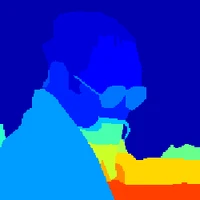
RAID: Randomized Adversarial-Input Detection for Neural Networks
In recent years, neural networks have become the default choice for image classification and many other learning tasks, even though they are vulnerable to so-called adversarial attacks. To increase their robustness against these attacks, there have emerged numerous detection mechanisms that aim to automatically determine if an input is adversarial. However, state-of-the-art detection mechanisms either rely on being tuned for each type of attack, or they do not generalize across different attack types. To alleviate these issues, we propose a novel technique for adversarial-image detection, RAID, that trains a secondary classifier to identify differences in neuron activation values between benign and adversarial inputs. Our technique is both more reliable and more effective than the state of the art when evaluated against six popular attacks. Moreover, a straightforward extension of RAID increases its robustness against detection-aware adversaries without affecting its effectiveness.
Unsupervised Cross-Domain Image Generation
We study the problem of transferring a sample in one domain to an analog sample in another domain. Given two related domains, S and T, we would like to learn a generative function G that maps an input sample from S to the domain T, such that the output of a given function f, which accepts inputs in either domains, would remain unchanged. Other than the function f, the training data is unsupervised and consist of a set of samples from each domain. The Domain Transfer Network (DTN) we present employs a compound loss function that includes a multiclass GAN loss, an f-constancy component, and a regularizing component that encourages G to map samples from T to themselves. We apply our method to visual domains including digits and face images and demonstrate its ability to generate convincing novel images of previously unseen entities, while preserving their identity.
Balanced Datasets Are Not Enough: Estimating and Mitigating Gender Bias in Deep Image Representations
In this work, we present a framework to measure and mitigate intrinsic biases with respect to protected variables --such as gender-- in visual recognition tasks. We show that trained models significantly amplify the association of target labels with gender beyond what one would expect from biased datasets. Surprisingly, we show that even when datasets are balanced such that each label co-occurs equally with each gender, learned models amplify the association between labels and gender, as much as if data had not been balanced! To mitigate this, we adopt an adversarial approach to remove unwanted features corresponding to protected variables from intermediate representations in a deep neural network -- and provide a detailed analysis of its effectiveness. Experiments on two datasets: the COCO dataset (objects), and the imSitu dataset (actions), show reductions in gender bias amplification while maintaining most of the accuracy of the original models.
DAFA: Distance-Aware Fair Adversarial Training
The disparity in accuracy between classes in standard training is amplified during adversarial training, a phenomenon termed the robust fairness problem. Existing methodologies aimed to enhance robust fairness by sacrificing the model's performance on easier classes in order to improve its performance on harder ones. However, we observe that under adversarial attacks, the majority of the model's predictions for samples from the worst class are biased towards classes similar to the worst class, rather than towards the easy classes. Through theoretical and empirical analysis, we demonstrate that robust fairness deteriorates as the distance between classes decreases. Motivated by these insights, we introduce the Distance-Aware Fair Adversarial training (DAFA) methodology, which addresses robust fairness by taking into account the similarities between classes. Specifically, our method assigns distinct loss weights and adversarial margins to each class and adjusts them to encourage a trade-off in robustness among similar classes. Experimental results across various datasets demonstrate that our method not only maintains average robust accuracy but also significantly improves the worst robust accuracy, indicating a marked improvement in robust fairness compared to existing methods.


Going Further: Flatness at the Rescue of Early Stopping for Adversarial Example Transferability
Transferability is the property of adversarial examples to be misclassified by other models than the surrogate model for which they were crafted. Previous research has shown that early stopping the training of the surrogate model substantially increases transferability. A common hypothesis to explain this is that deep neural networks (DNNs) first learn robust features, which are more generic, thus a better surrogate. Then, at later epochs, DNNs learn non-robust features, which are more brittle, hence worst surrogate. First, we tend to refute this hypothesis, using transferability as a proxy for representation similarity. We then establish links between transferability and the exploration of the loss landscape in parameter space, focusing on sharpness, which is affected by early stopping. This leads us to evaluate surrogate models trained with seven minimizers that minimize both loss value and loss sharpness. Among them, SAM consistently outperforms early stopping by up to 28.8 percentage points. We discover that the strong SAM regularization from large flat neighborhoods tightly links to transferability. Finally, the best sharpness-aware minimizers prove competitive with other training methods and complement existing transferability techniques.

Adversarial Counterfactual Visual Explanations
Counterfactual explanations and adversarial attacks have a related goal: flipping output labels with minimal perturbations regardless of their characteristics. Yet, adversarial attacks cannot be used directly in a counterfactual explanation perspective, as such perturbations are perceived as noise and not as actionable and understandable image modifications. Building on the robust learning literature, this paper proposes an elegant method to turn adversarial attacks into semantically meaningful perturbations, without modifying the classifiers to explain. The proposed approach hypothesizes that Denoising Diffusion Probabilistic Models are excellent regularizers for avoiding high-frequency and out-of-distribution perturbations when generating adversarial attacks. The paper's key idea is to build attacks through a diffusion model to polish them. This allows studying the target model regardless of its robustification level. Extensive experimentation shows the advantages of our counterfactual explanation approach over current State-of-the-Art in multiple testbeds.
Robust NAS under adversarial training: benchmark, theory, and beyond
Recent developments in neural architecture search (NAS) emphasize the significance of considering robust architectures against malicious data. However, there is a notable absence of benchmark evaluations and theoretical guarantees for searching these robust architectures, especially when adversarial training is considered. In this work, we aim to address these two challenges, making twofold contributions. First, we release a comprehensive data set that encompasses both clean accuracy and robust accuracy for a vast array of adversarially trained networks from the NAS-Bench-201 search space on image datasets. Then, leveraging the neural tangent kernel (NTK) tool from deep learning theory, we establish a generalization theory for searching architecture in terms of clean accuracy and robust accuracy under multi-objective adversarial training. We firmly believe that our benchmark and theoretical insights will significantly benefit the NAS community through reliable reproducibility, efficient assessment, and theoretical foundation, particularly in the pursuit of robust architectures.


The GAN is dead; long live the GAN! A Modern GAN Baseline
There is a widely-spread claim that GANs are difficult to train, and GAN architectures in the literature are littered with empirical tricks. We provide evidence against this claim and build a modern GAN baseline in a more principled manner. First, we derive a well-behaved regularized relativistic GAN loss that addresses issues of mode dropping and non-convergence that were previously tackled via a bag of ad-hoc tricks. We analyze our loss mathematically and prove that it admits local convergence guarantees, unlike most existing relativistic losses. Second, our new loss allows us to discard all ad-hoc tricks and replace outdated backbones used in common GANs with modern architectures. Using StyleGAN2 as an example, we present a roadmap of simplification and modernization that results in a new minimalist baseline -- R3GAN. Despite being simple, our approach surpasses StyleGAN2 on FFHQ, ImageNet, CIFAR, and Stacked MNIST datasets, and compares favorably against state-of-the-art GANs and diffusion models.




Robust AI-Generated Face Detection with Imbalanced Data
Deepfakes, created using advanced AI techniques such as Variational Autoencoder and Generative Adversarial Networks, have evolved from research and entertainment applications into tools for malicious activities, posing significant threats to digital trust. Current deepfake detection techniques have evolved from CNN-based methods focused on local artifacts to more advanced approaches using vision transformers and multimodal models like CLIP, which capture global anomalies and improve cross-domain generalization. Despite recent progress, state-of-the-art deepfake detectors still face major challenges in handling distribution shifts from emerging generative models and addressing severe class imbalance between authentic and fake samples in deepfake datasets, which limits their robustness and detection accuracy. To address these challenges, we propose a framework that combines dynamic loss reweighting and ranking-based optimization, which achieves superior generalization and performance under imbalanced dataset conditions. The code is available at https://github.com/Purdue-M2/SP_CUP.

Understanding the Robustness of Randomized Feature Defense Against Query-Based Adversarial Attacks
Recent works have shown that deep neural networks are vulnerable to adversarial examples that find samples close to the original image but can make the model misclassify. Even with access only to the model's output, an attacker can employ black-box attacks to generate such adversarial examples. In this work, we propose a simple and lightweight defense against black-box attacks by adding random noise to hidden features at intermediate layers of the model at inference time. Our theoretical analysis confirms that this method effectively enhances the model's resilience against both score-based and decision-based black-box attacks. Importantly, our defense does not necessitate adversarial training and has minimal impact on accuracy, rendering it applicable to any pre-trained model. Our analysis also reveals the significance of selectively adding noise to different parts of the model based on the gradient of the adversarial objective function, which can be varied during the attack. We demonstrate the robustness of our defense against multiple black-box attacks through extensive empirical experiments involving diverse models with various architectures.
Text Processing Like Humans Do: Visually Attacking and Shielding NLP Systems
Visual modifications to text are often used to obfuscate offensive comments in social media (e.g., "!d10t") or as a writing style ("1337" in "leet speak"), among other scenarios. We consider this as a new type of adversarial attack in NLP, a setting to which humans are very robust, as our experiments with both simple and more difficult visual input perturbations demonstrate. We then investigate the impact of visual adversarial attacks on current NLP systems on character-, word-, and sentence-level tasks, showing that both neural and non-neural models are, in contrast to humans, extremely sensitive to such attacks, suffering performance decreases of up to 82\%. We then explore three shielding methods---visual character embeddings, adversarial training, and rule-based recovery---which substantially improve the robustness of the models. However, the shielding methods still fall behind performances achieved in non-attack scenarios, which demonstrates the difficulty of dealing with visual attacks.
Rethinking Model Ensemble in Transfer-based Adversarial Attacks
It is widely recognized that deep learning models lack robustness to adversarial examples. An intriguing property of adversarial examples is that they can transfer across different models, which enables black-box attacks without any knowledge of the victim model. An effective strategy to improve the transferability is attacking an ensemble of models. However, previous works simply average the outputs of different models, lacking an in-depth analysis on how and why model ensemble methods can strongly improve the transferability. In this paper, we rethink the ensemble in adversarial attacks and define the common weakness of model ensemble with two properties: 1) the flatness of loss landscape; and 2) the closeness to the local optimum of each model. We empirically and theoretically show that both properties are strongly correlated with the transferability and propose a Common Weakness Attack (CWA) to generate more transferable adversarial examples by promoting these two properties. Experimental results on both image classification and object detection tasks validate the effectiveness of our approach to improving the adversarial transferability, especially when attacking adversarially trained models. We also successfully apply our method to attack a black-box large vision-language model -- Google's Bard, showing the practical effectiveness. Code is available at https://github.com/huanranchen/AdversarialAttacks.
Enhancing Adversarial Robustness in Low-Label Regime via Adaptively Weighted Regularization and Knowledge Distillation
Adversarial robustness is a research area that has recently received a lot of attention in the quest for trustworthy artificial intelligence. However, recent works on adversarial robustness have focused on supervised learning where it is assumed that labeled data is plentiful. In this paper, we investigate semi-supervised adversarial training where labeled data is scarce. We derive two upper bounds for the robust risk and propose a regularization term for unlabeled data motivated by these two upper bounds. Then, we develop a semi-supervised adversarial training algorithm that combines the proposed regularization term with knowledge distillation using a semi-supervised teacher (i.e., a teacher model trained using a semi-supervised learning algorithm). Our experiments show that our proposed algorithm achieves state-of-the-art performance with significant margins compared to existing algorithms. In particular, compared to supervised learning algorithms, performance of our proposed algorithm is not much worse even when the amount of labeled data is very small. For example, our algorithm with only 8\% labeled data is comparable to supervised adversarial training algorithms that use all labeled data, both in terms of standard and robust accuracies on CIFAR-10.
Detecting Overfitting of Deep Generative Networks via Latent Recovery
State of the art deep generative networks are capable of producing images with such incredible realism that they can be suspected of memorizing training images. It is why it is not uncommon to include visualizations of training set nearest neighbors, to suggest generated images are not simply memorized. We demonstrate this is not sufficient and motivates the need to study memorization/overfitting of deep generators with more scrutiny. This paper addresses this question by i) showing how simple losses are highly effective at reconstructing images for deep generators ii) analyzing the statistics of reconstruction errors when reconstructing training and validation images, which is the standard way to analyze overfitting in machine learning. Using this methodology, this paper shows that overfitting is not detectable in the pure GAN models proposed in the literature, in contrast with those using hybrid adversarial losses, which are amongst the most widely applied generative methods. The paper also shows that standard GAN evaluation metrics fail to capture memorization for some deep generators. Finally, the paper also shows how off-the-shelf GAN generators can be successfully applied to face inpainting and face super-resolution using the proposed reconstruction method, without hybrid adversarial losses.
Adversarial Style Augmentation for Domain Generalization
It is well-known that the performance of well-trained deep neural networks may degrade significantly when they are applied to data with even slightly shifted distributions. Recent studies have shown that introducing certain perturbation on feature statistics (\eg, mean and standard deviation) during training can enhance the cross-domain generalization ability. Existing methods typically conduct such perturbation by utilizing the feature statistics within a mini-batch, limiting their representation capability. Inspired by the domain generalization objective, we introduce a novel Adversarial Style Augmentation (ASA) method, which explores broader style spaces by generating more effective statistics perturbation via adversarial training. Specifically, we first search for the most sensitive direction and intensity for statistics perturbation by maximizing the task loss. By updating the model against the adversarial statistics perturbation during training, we allow the model to explore the worst-case domain and hence improve its generalization performance. To facilitate the application of ASA, we design a simple yet effective module, namely AdvStyle, which instantiates the ASA method in a plug-and-play manner. We justify the efficacy of AdvStyle on tasks of cross-domain classification and instance retrieval. It achieves higher mean accuracy and lower performance fluctuation. Especially, our method significantly outperforms its competitors on the PACS dataset under the single source generalization setting, \eg, boosting the classification accuracy from 61.2\% to 67.1\% with a ResNet50 backbone. Our code will be available at https://github.com/YBZh/AdvStyle.
Adversarial Vertex Mixup: Toward Better Adversarially Robust Generalization
Adversarial examples cause neural networks to produce incorrect outputs with high confidence. Although adversarial training is one of the most effective forms of defense against adversarial examples, unfortunately, a large gap exists between test accuracy and training accuracy in adversarial training. In this paper, we identify Adversarial Feature Overfitting (AFO), which may cause poor adversarially robust generalization, and we show that adversarial training can overshoot the optimal point in terms of robust generalization, leading to AFO in our simple Gaussian model. Considering these theoretical results, we present soft labeling as a solution to the AFO problem. Furthermore, we propose Adversarial Vertex mixup (AVmixup), a soft-labeled data augmentation approach for improving adversarially robust generalization. We complement our theoretical analysis with experiments on CIFAR10, CIFAR100, SVHN, and Tiny ImageNet, and show that AVmixup significantly improves the robust generalization performance and that it reduces the trade-off between standard accuracy and adversarial robustness.

Beyond the Universal Law of Robustness: Sharper Laws for Random Features and Neural Tangent Kernels
Machine learning models are vulnerable to adversarial perturbations, and a thought-provoking paper by Bubeck and Sellke has analyzed this phenomenon through the lens of over-parameterization: interpolating smoothly the data requires significantly more parameters than simply memorizing it. However, this "universal" law provides only a necessary condition for robustness, and it is unable to discriminate between models. In this paper, we address these gaps by focusing on empirical risk minimization in two prototypical settings, namely, random features and the neural tangent kernel (NTK). We prove that, for random features, the model is not robust for any degree of over-parameterization, even when the necessary condition coming from the universal law of robustness is satisfied. In contrast, for even activations, the NTK model meets the universal lower bound, and it is robust as soon as the necessary condition on over-parameterization is fulfilled. This also addresses a conjecture in prior work by Bubeck, Li and Nagaraj. Our analysis decouples the effect of the kernel of the model from an "interaction matrix", which describes the interaction with the test data and captures the effect of the activation. Our theoretical results are corroborated by numerical evidence on both synthetic and standard datasets (MNIST, CIFAR-10).
Interpreting the Weight Space of Customized Diffusion Models
We investigate the space of weights spanned by a large collection of customized diffusion models. We populate this space by creating a dataset of over 60,000 models, each of which is a base model fine-tuned to insert a different person's visual identity. We model the underlying manifold of these weights as a subspace, which we term weights2weights. We demonstrate three immediate applications of this space -- sampling, editing, and inversion. First, as each point in the space corresponds to an identity, sampling a set of weights from it results in a model encoding a novel identity. Next, we find linear directions in this space corresponding to semantic edits of the identity (e.g., adding a beard). These edits persist in appearance across generated samples. Finally, we show that inverting a single image into this space reconstructs a realistic identity, even if the input image is out of distribution (e.g., a painting). Our results indicate that the weight space of fine-tuned diffusion models behaves as an interpretable latent space of identities.




Understanding Contrastive Representation Learning through Alignment and Uniformity on the Hypersphere
Contrastive representation learning has been outstandingly successful in practice. In this work, we identify two key properties related to the contrastive loss: (1) alignment (closeness) of features from positive pairs, and (2) uniformity of the induced distribution of the (normalized) features on the hypersphere. We prove that, asymptotically, the contrastive loss optimizes these properties, and analyze their positive effects on downstream tasks. Empirically, we introduce an optimizable metric to quantify each property. Extensive experiments on standard vision and language datasets confirm the strong agreement between both metrics and downstream task performance. Remarkably, directly optimizing for these two metrics leads to representations with comparable or better performance at downstream tasks than contrastive learning. Project Page: https://tongzhouwang.info/hypersphere Code: https://github.com/SsnL/align_uniform , https://github.com/SsnL/moco_align_uniform

Unified Negative Pair Generation toward Well-discriminative Feature Space for Face Recognition
The goal of face recognition (FR) can be viewed as a pair similarity optimization problem, maximizing a similarity set S^p over positive pairs, while minimizing similarity set S^n over negative pairs. Ideally, it is expected that FR models form a well-discriminative feature space (WDFS) that satisfies mathcal{S^p} > mathcal{S^n}. With regard to WDFS, the existing deep feature learning paradigms (i.e., metric and classification losses) can be expressed as a unified perspective on different pair generation (PG) strategies. Unfortunately, in the metric loss (ML), it is infeasible to generate negative pairs taking all classes into account in each iteration because of the limited mini-batch size. In contrast, in classification loss (CL), it is difficult to generate extremely hard negative pairs owing to the convergence of the class weight vectors to their center. This leads to a mismatch between the two similarity distributions of the sampled pairs and all negative pairs. Thus, this paper proposes a unified negative pair generation (UNPG) by combining two PG strategies (i.e., MLPG and CLPG) from a unified perspective to alleviate the mismatch. UNPG introduces useful information about negative pairs using MLPG to overcome the CLPG deficiency. Moreover, it includes filtering the similarities of noisy negative pairs to guarantee reliable convergence and improved performance. Exhaustive experiments show the superiority of UNPG by achieving state-of-the-art performance across recent loss functions on public benchmark datasets. Our code and pretrained models are publicly available.
Identification of Systematic Errors of Image Classifiers on Rare Subgroups
Despite excellent average-case performance of many image classifiers, their performance can substantially deteriorate on semantically coherent subgroups of the data that were under-represented in the training data. These systematic errors can impact both fairness for demographic minority groups as well as robustness and safety under domain shift. A major challenge is to identify such subgroups with subpar performance when the subgroups are not annotated and their occurrence is very rare. We leverage recent advances in text-to-image models and search in the space of textual descriptions of subgroups ("prompts") for subgroups where the target model has low performance on the prompt-conditioned synthesized data. To tackle the exponentially growing number of subgroups, we employ combinatorial testing. We denote this procedure as PromptAttack as it can be interpreted as an adversarial attack in a prompt space. We study subgroup coverage and identifiability with PromptAttack in a controlled setting and find that it identifies systematic errors with high accuracy. Thereupon, we apply PromptAttack to ImageNet classifiers and identify novel systematic errors on rare subgroups.


Visual Adversarial Examples Jailbreak Large Language Models
Recently, there has been a surge of interest in introducing vision into Large Language Models (LLMs). The proliferation of large Visual Language Models (VLMs), such as Flamingo, BLIP-2, and GPT-4, signifies an exciting convergence of advancements in both visual and language foundation models. Yet, the risks associated with this integrative approach are largely unexamined. In this paper, we shed light on the security and safety implications of this trend. First, we underscore that the continuous and high-dimensional nature of the additional visual input space intrinsically makes it a fertile ground for adversarial attacks. This unavoidably expands the attack surfaces of LLMs. Second, we highlight that the broad functionality of LLMs also presents visual attackers with a wider array of achievable adversarial objectives, extending the implications of security failures beyond mere misclassification. To elucidate these risks, we study adversarial examples in the visual input space of a VLM. Specifically, against MiniGPT-4, which incorporates safety mechanisms that can refuse harmful instructions, we present visual adversarial examples that can circumvent the safety mechanisms and provoke harmful behaviors of the model. Remarkably, we discover that adversarial examples, even if optimized on a narrow, manually curated derogatory corpus against specific social groups, can universally jailbreak the model's safety mechanisms. A single such adversarial example can generally undermine MiniGPT-4's safety, enabling it to heed a wide range of harmful instructions and produce harmful content far beyond simply imitating the derogatory corpus used in optimization. Unveiling these risks, we accentuate the urgent need for comprehensive risk assessments, robust defense strategies, and the implementation of responsible practices for the secure and safe utilization of VLMs.


Learning Joint ID-Textual Representation for ID-Preserving Image Synthesis
We propose a novel framework for ID-preserving generation using a multi-modal encoding strategy rather than injecting identity features via adapters into pre-trained models. Our method treats identity and text as a unified conditioning input. To achieve this, we introduce FaceCLIP, a multi-modal encoder that learns a joint embedding space for both identity and textual semantics. Given a reference face and a text prompt, FaceCLIP produces a unified representation that encodes both identity and text, which conditions a base diffusion model to generate images that are identity-consistent and text-aligned. We also present a multi-modal alignment algorithm to train FaceCLIP, using a loss that aligns its joint representation with face, text, and image embedding spaces. We then build FaceCLIP-SDXL, an ID-preserving image synthesis pipeline by integrating FaceCLIP with Stable Diffusion XL (SDXL). Compared to prior methods, FaceCLIP-SDXL enables photorealistic portrait generation with better identity preservation and textual relevance. Extensive experiments demonstrate its quantitative and qualitative superiority.
AdaFace: Quality Adaptive Margin for Face Recognition
Recognition in low quality face datasets is challenging because facial attributes are obscured and degraded. Advances in margin-based loss functions have resulted in enhanced discriminability of faces in the embedding space. Further, previous studies have studied the effect of adaptive losses to assign more importance to misclassified (hard) examples. In this work, we introduce another aspect of adaptiveness in the loss function, namely the image quality. We argue that the strategy to emphasize misclassified samples should be adjusted according to their image quality. Specifically, the relative importance of easy or hard samples should be based on the sample's image quality. We propose a new loss function that emphasizes samples of different difficulties based on their image quality. Our method achieves this in the form of an adaptive margin function by approximating the image quality with feature norms. Extensive experiments show that our method, AdaFace, improves the face recognition performance over the state-of-the-art (SoTA) on four datasets (IJB-B, IJB-C, IJB-S and TinyFace). Code and models are released in https://github.com/mk-minchul/AdaFace.
One Surrogate to Fool Them All: Universal, Transferable, and Targeted Adversarial Attacks with CLIP
Deep Neural Networks (DNNs) have achieved widespread success yet remain prone to adversarial attacks. Typically, such attacks either involve frequent queries to the target model or rely on surrogate models closely mirroring the target model -- often trained with subsets of the target model's training data -- to achieve high attack success rates through transferability. However, in realistic scenarios where training data is inaccessible and excessive queries can raise alarms, crafting adversarial examples becomes more challenging. In this paper, we present UnivIntruder, a novel attack framework that relies solely on a single, publicly available CLIP model and publicly available datasets. By using textual concepts, UnivIntruder generates universal, transferable, and targeted adversarial perturbations that mislead DNNs into misclassifying inputs into adversary-specified classes defined by textual concepts. Our extensive experiments show that our approach achieves an Attack Success Rate (ASR) of up to 85% on ImageNet and over 99% on CIFAR-10, significantly outperforming existing transfer-based methods. Additionally, we reveal real-world vulnerabilities, showing that even without querying target models, UnivIntruder compromises image search engines like Google and Baidu with ASR rates up to 84%, and vision language models like GPT-4 and Claude-3.5 with ASR rates up to 80%. These findings underscore the practicality of our attack in scenarios where traditional avenues are blocked, highlighting the need to reevaluate security paradigms in AI applications.
Demystifying Causal Features on Adversarial Examples and Causal Inoculation for Robust Network by Adversarial Instrumental Variable Regression
The origin of adversarial examples is still inexplicable in research fields, and it arouses arguments from various viewpoints, albeit comprehensive investigations. In this paper, we propose a way of delving into the unexpected vulnerability in adversarially trained networks from a causal perspective, namely adversarial instrumental variable (IV) regression. By deploying it, we estimate the causal relation of adversarial prediction under an unbiased environment dissociated from unknown confounders. Our approach aims to demystify inherent causal features on adversarial examples by leveraging a zero-sum optimization game between a casual feature estimator (i.e., hypothesis model) and worst-case counterfactuals (i.e., test function) disturbing to find causal features. Through extensive analyses, we demonstrate that the estimated causal features are highly related to the correct prediction for adversarial robustness, and the counterfactuals exhibit extreme features significantly deviating from the correct prediction. In addition, we present how to effectively inoculate CAusal FEatures (CAFE) into defense networks for improving adversarial robustness.
Breaking Latent Prior Bias in Detectors for Generalizable AIGC Image Detection
Current AIGC detectors often achieve near-perfect accuracy on images produced by the same generator used for training but struggle to generalize to outputs from unseen generators. We trace this failure in part to latent prior bias: detectors learn shortcuts tied to patterns stemming from the initial noise vector rather than learning robust generative artifacts. To address this, we propose On-Manifold Adversarial Training (OMAT): by optimizing the initial latent noise of diffusion models under fixed conditioning, we generate on-manifold adversarial examples that remain on the generator's output manifold-unlike pixel-space attacks, which introduce off-manifold perturbations that the generator itself cannot reproduce and that can obscure the true discriminative artifacts. To test against state-of-the-art generative models, we introduce GenImage++, a test-only benchmark of outputs from advanced generators (Flux.1, SD3) with extended prompts and diverse styles. We apply our adversarial-training paradigm to ResNet50 and CLIP baselines and evaluate across existing AIGC forensic benchmarks and recent challenge datasets. Extensive experiments show that adversarially trained detectors significantly improve cross-generator performance without any network redesign. Our findings on latent-prior bias offer valuable insights for future dataset construction and detector evaluation, guiding the development of more robust and generalizable AIGC forensic methodologies.
Deep Neural Networks Tend To Extrapolate Predictably
Conventional wisdom suggests that neural network predictions tend to be unpredictable and overconfident when faced with out-of-distribution (OOD) inputs. Our work reassesses this assumption for neural networks with high-dimensional inputs. Rather than extrapolating in arbitrary ways, we observe that neural network predictions often tend towards a constant value as input data becomes increasingly OOD. Moreover, we find that this value often closely approximates the optimal constant solution (OCS), i.e., the prediction that minimizes the average loss over the training data without observing the input. We present results showing this phenomenon across 8 datasets with different distributional shifts (including CIFAR10-C and ImageNet-R, S), different loss functions (cross entropy, MSE, and Gaussian NLL), and different architectures (CNNs and transformers). Furthermore, we present an explanation for this behavior, which we first validate empirically and then study theoretically in a simplified setting involving deep homogeneous networks with ReLU activations. Finally, we show how one can leverage our insights in practice to enable risk-sensitive decision-making in the presence of OOD inputs.
A Boundary Tilting Persepective on the Phenomenon of Adversarial Examples
Deep neural networks have been shown to suffer from a surprising weakness: their classification outputs can be changed by small, non-random perturbations of their inputs. This adversarial example phenomenon has been explained as originating from deep networks being "too linear" (Goodfellow et al., 2014). We show here that the linear explanation of adversarial examples presents a number of limitations: the formal argument is not convincing, linear classifiers do not always suffer from the phenomenon, and when they do their adversarial examples are different from the ones affecting deep networks. We propose a new perspective on the phenomenon. We argue that adversarial examples exist when the classification boundary lies close to the submanifold of sampled data, and present a mathematical analysis of this new perspective in the linear case. We define the notion of adversarial strength and show that it can be reduced to the deviation angle between the classifier considered and the nearest centroid classifier. Then, we show that the adversarial strength can be made arbitrarily high independently of the classification performance due to a mechanism that we call boundary tilting. This result leads us to defining a new taxonomy of adversarial examples. Finally, we show that the adversarial strength observed in practice is directly dependent on the level of regularisation used and the strongest adversarial examples, symptomatic of overfitting, can be avoided by using a proper level of regularisation.

Attacking Perceptual Similarity Metrics
Perceptual similarity metrics have progressively become more correlated with human judgments on perceptual similarity; however, despite recent advances, the addition of an imperceptible distortion can still compromise these metrics. In our study, we systematically examine the robustness of these metrics to imperceptible adversarial perturbations. Following the two-alternative forced-choice experimental design with two distorted images and one reference image, we perturb the distorted image closer to the reference via an adversarial attack until the metric flips its judgment. We first show that all metrics in our study are susceptible to perturbations generated via common adversarial attacks such as FGSM, PGD, and the One-pixel attack. Next, we attack the widely adopted LPIPS metric using spatial-transformation-based adversarial perturbations (stAdv) in a white-box setting to craft adversarial examples that can effectively transfer to other similarity metrics in a black-box setting. We also combine the spatial attack stAdv with PGD (ell_infty-bounded) attack to increase transferability and use these adversarial examples to benchmark the robustness of both traditional and recently developed metrics. Our benchmark provides a good starting point for discussion and further research on the robustness of metrics to imperceptible adversarial perturbations.

Learning Facial Liveness Representation for Domain Generalized Face Anti-spoofing
Face anti-spoofing (FAS) aims at distinguishing face spoof attacks from the authentic ones, which is typically approached by learning proper models for performing the associated classification task. In practice, one would expect such models to be generalized to FAS in different image domains. Moreover, it is not practical to assume that the type of spoof attacks would be known in advance. In this paper, we propose a deep learning model for addressing the aforementioned domain-generalized face anti-spoofing task. In particular, our proposed network is able to disentangle facial liveness representation from the irrelevant ones (i.e., facial content and image domain features). The resulting liveness representation exhibits sufficient domain invariant properties, and thus it can be applied for performing domain-generalized FAS. In our experiments, we conduct experiments on five benchmark datasets with various settings, and we verify that our model performs favorably against state-of-the-art approaches in identifying novel types of spoof attacks in unseen image domains.

Inducing Data Amplification Using Auxiliary Datasets in Adversarial Training
Several recent studies have shown that the use of extra in-distribution data can lead to a high level of adversarial robustness. However, there is no guarantee that it will always be possible to obtain sufficient extra data for a selected dataset. In this paper, we propose a biased multi-domain adversarial training (BiaMAT) method that induces training data amplification on a primary dataset using publicly available auxiliary datasets, without requiring the class distribution match between the primary and auxiliary datasets. The proposed method can achieve increased adversarial robustness on a primary dataset by leveraging auxiliary datasets via multi-domain learning. Specifically, data amplification on both robust and non-robust features can be accomplished through the application of BiaMAT as demonstrated through a theoretical and empirical analysis. Moreover, we demonstrate that while existing methods are vulnerable to negative transfer due to the distributional discrepancy between auxiliary and primary data, the proposed method enables neural networks to flexibly leverage diverse image datasets for adversarial training by successfully handling the domain discrepancy through the application of a confidence-based selection strategy. The pre-trained models and code are available at: https://github.com/Saehyung-Lee/BiaMAT.
Counterfactual Explanations for Face Forgery Detection via Adversarial Removal of Artifacts
Highly realistic AI generated face forgeries known as deepfakes have raised serious social concerns. Although DNN-based face forgery detection models have achieved good performance, they are vulnerable to latest generative methods that have less forgery traces and adversarial attacks. This limitation of generalization and robustness hinders the credibility of detection results and requires more explanations. In this work, we provide counterfactual explanations for face forgery detection from an artifact removal perspective. Specifically, we first invert the forgery images into the StyleGAN latent space, and then adversarially optimize their latent representations with the discrimination supervision from the target detection model. We verify the effectiveness of the proposed explanations from two aspects: (1) Counterfactual Trace Visualization: the enhanced forgery images are useful to reveal artifacts by visually contrasting the original images and two different visualization methods; (2) Transferable Adversarial Attacks: the adversarial forgery images generated by attacking the detection model are able to mislead other detection models, implying the removed artifacts are general. Extensive experiments demonstrate that our method achieves over 90% attack success rate and superior attack transferability. Compared with naive adversarial noise methods, our method adopts both generative and discriminative model priors, and optimize the latent representations in a synthesis-by-analysis way, which forces the search of counterfactual explanations on the natural face manifold. Thus, more general counterfactual traces can be found and better adversarial attack transferability can be achieved.

Defense-friendly Images in Adversarial Attacks: Dataset and Metrics for Perturbation Difficulty
Dataset bias is a problem in adversarial machine learning, especially in the evaluation of defenses. An adversarial attack or defense algorithm may show better results on the reported dataset than can be replicated on other datasets. Even when two algorithms are compared, their relative performance can vary depending on the dataset. Deep learning offers state-of-the-art solutions for image recognition, but deep models are vulnerable even to small perturbations. Research in this area focuses primarily on adversarial attacks and defense algorithms. In this paper, we report for the first time, a class of robust images that are both resilient to attacks and that recover better than random images under adversarial attacks using simple defense techniques. Thus, a test dataset with a high proportion of robust images gives a misleading impression about the performance of an adversarial attack or defense. We propose three metrics to determine the proportion of robust images in a dataset and provide scoring to determine the dataset bias. We also provide an ImageNet-R dataset of 15000+ robust images to facilitate further research on this intriguing phenomenon of image strength under attack. Our dataset, combined with the proposed metrics, is valuable for unbiased benchmarking of adversarial attack and defense algorithms.
Primate Face Identification in the Wild
Ecological imbalance owing to rapid urbanization and deforestation has adversely affected the population of several wild animals. This loss of habitat has skewed the population of several non-human primate species like chimpanzees and macaques and has constrained them to co-exist in close proximity of human settlements, often leading to human-wildlife conflicts while competing for resources. For effective wildlife conservation and conflict management, regular monitoring of population and of conflicted regions is necessary. However, existing approaches like field visits for data collection and manual analysis by experts is resource intensive, tedious and time consuming, thus necessitating an automated, non-invasive, more efficient alternative like image based facial recognition. The challenge in individual identification arises due to unrelated factors like pose, lighting variations and occlusions due to the uncontrolled environments, that is further exacerbated by limited training data. Inspired by human perception, we propose to learn representations that are robust to such nuisance factors and capture the notion of similarity over the individual identity sub-manifolds. The proposed approach, Primate Face Identification (PFID), achieves this by training the network to distinguish between positive and negative pairs of images. The PFID loss augments the standard cross entropy loss with a pairwise loss to learn more discriminative and generalizable features, thus making it appropriate for other related identification tasks like open-set, closed set and verification. We report state-of-the-art accuracy on facial recognition of two primate species, rhesus macaques and chimpanzees under the four protocols of classification, verification, closed-set identification and open-set recognition.

UniGame: Turning a Unified Multimodal Model Into Its Own Adversary
Unified Multimodal Models (UMMs) have shown impressive performance in both understanding and generation with a single architecture. However, UMMs still exhibit a fundamental inconsistency: understanding favors compact embeddings, whereas generation favors reconstruction-rich representations. This structural trade-off produces misaligned decision boundaries, degraded cross-modal coherence, and heightened vulnerability under distributional and adversarial shifts. In this paper, we present UniGame, a self-adversarial post-training framework that directly targets the inconsistencies. By applying a lightweight perturber at the shared token interface, UniGame enables the generation branch to actively seek and challenge fragile understanding, turning the model itself into its own adversary. Experiments demonstrate that UniGame significantly improves the consistency (+4.6%). Moreover, it also achieves substantial improvements in understanding (+3.6%), generation (+0.02), out-of-distribution and adversarial robustness (+4.8% and +6.2% on NaturalBench and AdVQA). The framework is architecture-agnostic, introduces less than 1% additional parameters, and is complementary to existing post-training methods. These results position adversarial self-play as a general and effective principle for enhancing the coherence, stability, and unified competence of future multimodal foundation models. The official code is available at: https://github.com/AIFrontierLab/UniGame

Robust Models are less Over-Confident
Despite the success of convolutional neural networks (CNNs) in many academic benchmarks for computer vision tasks, their application in the real-world is still facing fundamental challenges. One of these open problems is the inherent lack of robustness, unveiled by the striking effectiveness of adversarial attacks. Current attack methods are able to manipulate the network's prediction by adding specific but small amounts of noise to the input. In turn, adversarial training (AT) aims to achieve robustness against such attacks and ideally a better model generalization ability by including adversarial samples in the trainingset. However, an in-depth analysis of the resulting robust models beyond adversarial robustness is still pending. In this paper, we empirically analyze a variety of adversarially trained models that achieve high robust accuracies when facing state-of-the-art attacks and we show that AT has an interesting side-effect: it leads to models that are significantly less overconfident with their decisions, even on clean data than non-robust models. Further, our analysis of robust models shows that not only AT but also the model's building blocks (like activation functions and pooling) have a strong influence on the models' prediction confidences. Data & Project website: https://github.com/GeJulia/robustness_confidences_evaluation
VectorDefense: Vectorization as a Defense to Adversarial Examples
Training deep neural networks on images represented as grids of pixels has brought to light an interesting phenomenon known as adversarial examples. Inspired by how humans reconstruct abstract concepts, we attempt to codify the input bitmap image into a set of compact, interpretable elements to avoid being fooled by the adversarial structures. We take the first step in this direction by experimenting with image vectorization as an input transformation step to map the adversarial examples back into the natural manifold of MNIST handwritten digits. We compare our method vs. state-of-the-art input transformations and further discuss the trade-offs between a hand-designed and a learned transformation defense.
EigenShield: Causal Subspace Filtering via Random Matrix Theory for Adversarially Robust Vision-Language Models
Vision-Language Models (VLMs) inherit adversarial vulnerabilities of Large Language Models (LLMs), which are further exacerbated by their multimodal nature. Existing defenses, including adversarial training, input transformations, and heuristic detection, are computationally expensive, architecture-dependent, and fragile against adaptive attacks. We introduce EigenShield, an inference-time defense leveraging Random Matrix Theory to quantify adversarial disruptions in high-dimensional VLM representations. Unlike prior methods that rely on empirical heuristics, EigenShield employs the spiked covariance model to detect structured spectral deviations. Using a Robustness-based Nonconformity Score (RbNS) and quantile-based thresholding, it separates causal eigenvectors, which encode semantic information, from correlational eigenvectors that are susceptible to adversarial artifacts. By projecting embeddings onto the causal subspace, EigenShield filters adversarial noise without modifying model parameters or requiring adversarial training. This architecture-independent, attack-agnostic approach significantly reduces the attack success rate, establishing spectral analysis as a principled alternative to conventional defenses. Our results demonstrate that EigenShield consistently outperforms all existing defenses, including adversarial training, UNIGUARD, and CIDER.


Joint Discriminative-Generative Modeling via Dual Adversarial Training
Simultaneously achieving robust classification and high-fidelity generative modeling within a single framework presents a significant challenge. Hybrid approaches, such as Joint Energy-Based Models (JEM), interpret classifiers as EBMs but are often limited by the instability and poor sample quality inherent in SGLD-based training. We address these limitations by proposing a novel training framework that integrates adversarial training (AT) principles for both discriminative robustness and stable generative learning. The proposed method introduces three key innovations: (1) the replacement of SGLD-based JEM learning with a stable, AT-based approach that optimizes the energy function by discriminating between real data and PGD-generated contrastive samples using the BCE loss; (2) synergistic adversarial training for the discriminative component that enhances classification robustness while eliminating the need for explicit gradient penalties; and (3) a two-stage training procedure to resolve the incompatibility between batch normalization and EBM training. Experiments on CIFAR-10, CIFAR-100, and ImageNet demonstrate that our method substantially improves adversarial robustness over existing hybrid models while maintaining competitive generative performance. On ImageNet, when optimized for generative modeling, our model's generative fidelity surpasses that of BigGAN and approaches diffusion models, representing the first MCMC-based EBM approach to achieve high-quality generation on complex, high-resolution datasets. Our approach addresses key stability issues that have limited JEM scaling and demonstrates that adversarial training can serve as an effective foundation for unified frameworks capable of generating and robustly classifying visual data.
Verifying Robust Unlearning: Probing Residual Knowledge in Unlearned Models
Machine Unlearning (MUL) is crucial for privacy protection and content regulation, yet recent studies reveal that traces of forgotten information persist in unlearned models, enabling adversaries to resurface removed knowledge. Existing verification methods only confirm whether unlearning was executed, failing to detect such residual information leaks. To address this, we introduce the concept of Robust Unlearning, ensuring models are indistinguishable from retraining and resistant to adversarial recovery. To empirically evaluate whether unlearning techniques meet this security standard, we propose the Unlearning Mapping Attack (UMA), a post-unlearning verification framework that actively probes models for forgotten traces using adversarial queries. Extensive experiments on discriminative and generative tasks show that existing unlearning techniques remain vulnerable, even when passing existing verification metrics. By establishing UMA as a practical verification tool, this study sets a new standard for assessing and enhancing machine unlearning security.
Canary in a Coalmine: Better Membership Inference with Ensembled Adversarial Queries
As industrial applications are increasingly automated by machine learning models, enforcing personal data ownership and intellectual property rights requires tracing training data back to their rightful owners. Membership inference algorithms approach this problem by using statistical techniques to discern whether a target sample was included in a model's training set. However, existing methods only utilize the unaltered target sample or simple augmentations of the target to compute statistics. Such a sparse sampling of the model's behavior carries little information, leading to poor inference capabilities. In this work, we use adversarial tools to directly optimize for queries that are discriminative and diverse. Our improvements achieve significantly more accurate membership inference than existing methods, especially in offline scenarios and in the low false-positive regime which is critical in legal settings. Code is available at https://github.com/YuxinWenRick/canary-in-a-coalmine.


A Universal Adversarial Policy for Text Classifiers
Discovering the existence of universal adversarial perturbations had large theoretical and practical impacts on the field of adversarial learning. In the text domain, most universal studies focused on adversarial prefixes which are added to all texts. However, unlike the vision domain, adding the same perturbation to different inputs results in noticeably unnatural inputs. Therefore, we introduce a new universal adversarial setup - a universal adversarial policy, which has many advantages of other universal attacks but also results in valid texts - thus making it relevant in practice. We achieve this by learning a single search policy over a predefined set of semantics preserving text alterations, on many texts. This formulation is universal in that the policy is successful in finding adversarial examples on new texts efficiently. Our approach uses text perturbations which were extensively shown to produce natural attacks in the non-universal setup (specific synonym replacements). We suggest a strong baseline approach for this formulation which uses reinforcement learning. It's ability to generalise (from as few as 500 training texts) shows that universal adversarial patterns exist in the text domain as well.
